















October 22,2026
From Delivery to Production: HWlEiC Laser Machine Installation and Training
Purchasing a fiber laser cutting machine is an important investment, but successful produc…
scopri di più


 09:17
09:17 Large metal plates are hard to process with small machines. Factories lose time, waste material, and delay orders when the cutting area is limited. The G Series gives industrial buyers a stronger answer: bigger working format, stable cutting, and smarter production support.
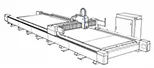
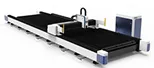
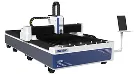
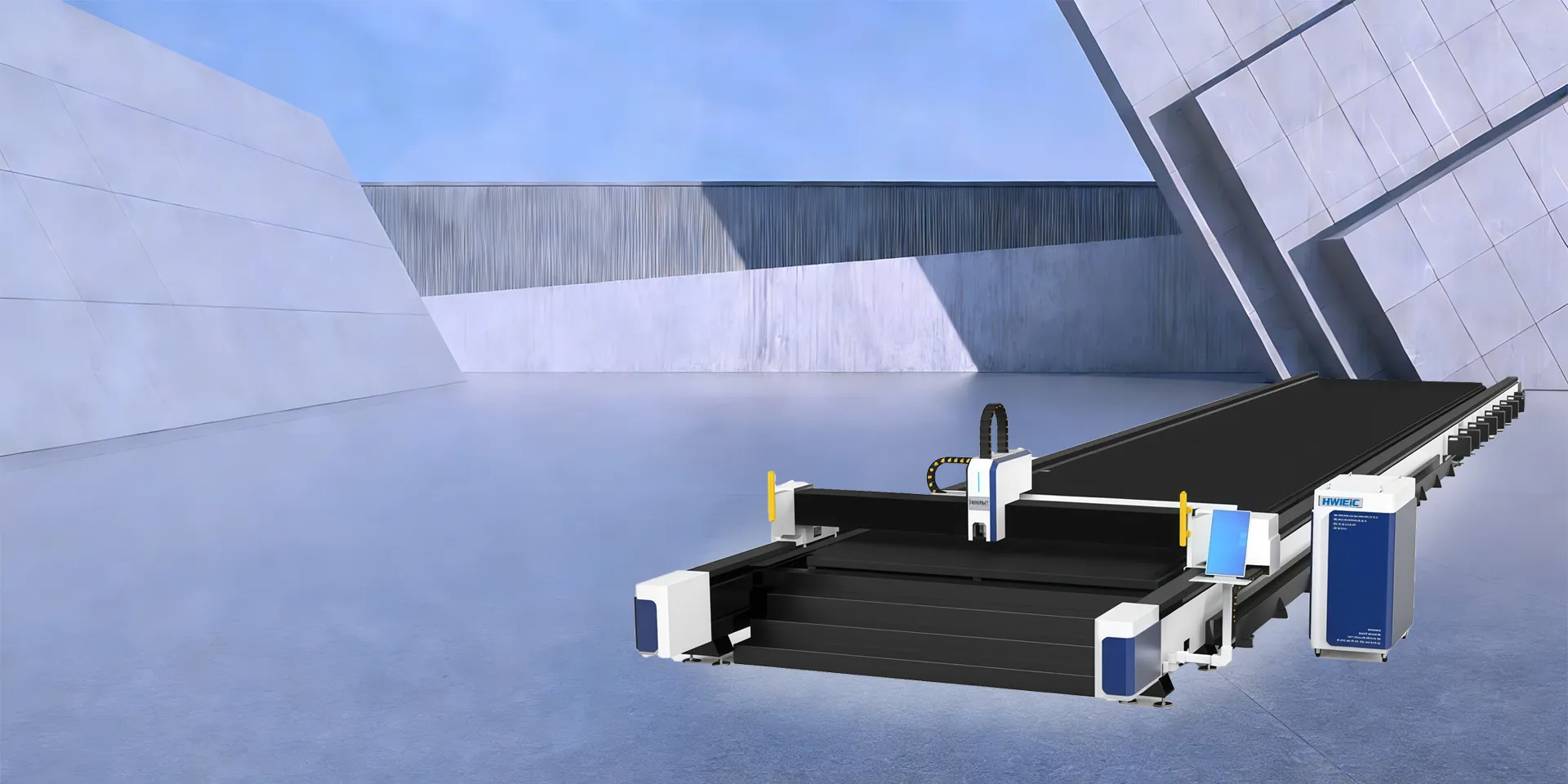
Il G Series Ultra-large Format Laser Metal Cutter is an industrial laser cutting machine designed for large-format metal sheets, carbon steel, stainless steel, alloy plate, and heavy manufacturing projects. It helps sheet metal factories, machinery manufacturers, automotive suppliers, and automation integrators improve plate cutting efficiency, reduce manual handling, and build a more scalable metal processing workflow.
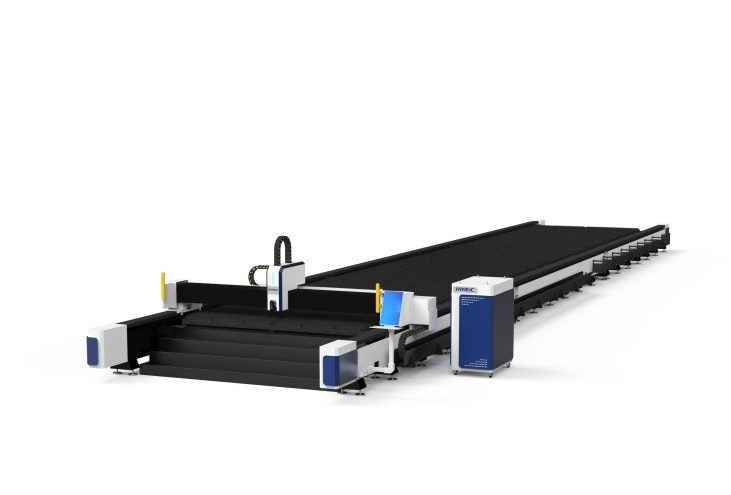
Il G Series Ultra-large Format Laser Metal Cutter is built for factories that need to cut big plates, long sheets, and heavy workpieces. It is not a small workshop laser cutter. It is an industrial laser machine for serious production.
In practical terms, this ultra-large format laser metal cutter gives manufacturers a wider cutting area, stronger structural support, and more flexible plate processing ability. It can support large-format metal sheets and reduce the need to split big plates into smaller sections before cutting.
For HWlEiC Laser, this product fits the company’s main business direction: industrial laser equipment manufacturing for global B2B buyers. The company focuses on metal sheet cutting, tube cutting, sheet-and-tube integrated cutting, welding solutions, and intelligent laser processing systems. That makes the G Series part of a wider industrial equipment ecosystem, not a single retail product.
Many factories start with a standard working format. It works well for small panels, cabinets, signs, and light parts. But when production grows, the same format becomes a bottleneck. Large sheets must be moved more often. Operators spend more time positioning material. Some parts need secondary cutting. Waste goes up.
An ultra-large format system solves this problem by giving the factory more working space. A large format laser cutting machine can process longer and wider plates in fewer steps. This is useful for heavy industry, steel structure parts, engineering machinery, vehicle components, and large metal enclosures.
For buyers in the sheet metal industry, the main question is simple: “Can this machine help us finish bigger jobs with fewer operations?” When the answer is yes, the investment becomes easier to justify.
A high power laser cutting machine uses stronger laser power to process thicker or harder materials more efficiently. This matters when a factory cuts carbon steel, stainless steel, or alloy plate every day. Better power can improve cutting speed, edge quality, and production flexibility.
The cutting process depends on more than power alone. The laser generator, laser beam, assist gas, cutting head, control system, and machine bed must work together. A strong power laser without a stable structure cannot deliver reliable results. That is why buyers should look at the full machine tool, not only the wattage.
For example, thick plate cutting needs stable motion, good heat control, and accurate focus. Thin sheet cutting needs fast acceleration and clean path control. A professional laser cutting machine must handle both without making operators fight the system.
A format fiber laser cutting machine is commonly used for metal materials such as carbon steel, stainless steel, aluminum alloy, galvanized sheet, and other industrial metals. The exact cutting thickness depends on laser power, material type, gas choice, cutting parameters, and the required edge quality.
For many buyers, carbon steel is the main material because it appears in equipment frames, building parts, machinery panels, and heavy-duty components. Stainless steel is common in food machinery, kitchen equipment, medical cabinets, chemical equipment, and decorative products. Alloy materials are widely used in automotive, aerospace-related parts, and higher-value fabrication work.
The G Series is positioned for industrial users who want fiber laser metal sheet cutting with a wider production range. It supports metal sheet processing while helping buyers move toward bigger workpieces and more stable batch production.
Common material applications
This is why many buyers searching for a laser metal sheet cutting machine also compare working size, automation options, and after-sales support. The material list is important, but it is only the start.

A laser cutting machine works under heat, vibration, dust, and long production hours. The structure must stay stable. That is why bed design is one of the most important parts of a large industrial laser system.
For ultra-large equipment, the challenge becomes bigger. A longer working area needs better support. The machine bed should resist deformation and keep the cutting position stable. If the structure is weak, the accuracy of the machine may drop over time. That affects cutting accuracy, edge quality, and part consistency.
A modular bed design can also help with production, shipping, installation, and later service. For overseas B2B buyers, this matters. Large machinery must be delivered across long distances, installed safely, and adjusted correctly at the customer site.
For HWlEiC Laser, this is where manufacturing experience becomes important. The company is not simply offering a laser cutting machine for sale. It provides industrial equipment selection, technical consultation, catalog support, and quotation service for project-based buyers.
A clean beam helps the machine cut better. The beam carries energy from the laser source to the material. When the beam quality is stable, the cutting head can focus energy more accurately. This supports high precision, smoother edges, and better repeatability.
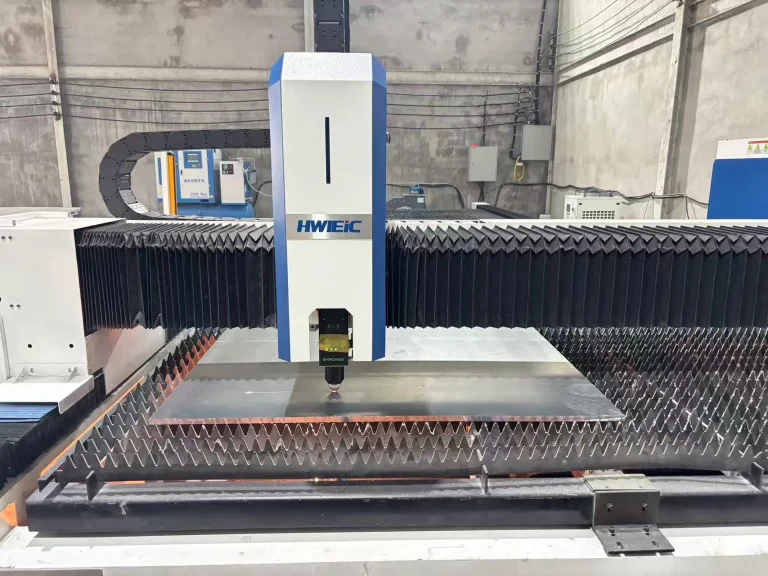
The cutting head is also important because it controls focus, height tracking, and the laser cutting position. In modern CNC laser cutting, the head must react quickly to plate surface changes. Some advanced systems automatically senses the laser cutting status and adjusts the process to keep the cut stable. In simple words, the machine needs to “feel” the cutting area and respond fast.
Laser power decides how much energy is available. Beam quality decides how well that energy is used. Motion control decides whether the cutting path stays correct. These three parts must work together.
Core cutting performance factors
A high-powered laser is useful only when the whole system is designed well. This is why industrial buyers should avoid judging a metal laser cutting machine by wattage alone.
Many metal parts are not finished after flat cutting. They need bending, assembly, or weld preparation. In these cases, bevel cutting can reduce later grinding and improve fit-up before welding.
With optional bevel cutting functionality, a laser system can cut angled edges for certain parts. This is useful for steel structures, machinery bases, large frames, and heavy-duty fabrication. It can also help create better joint preparation before the weld stage.
This makes the G Series more useful for buyers who need more than basic flat plate cutting. A flat plate laser cutting machine can handle many jobs, but bevel capability adds more value for advanced manufacturing projects.
For factories that already use tube laser cutting, sheet cutting, or welding systems, bevel cutting can become part of a larger cutting solution. HWlEiC Laser also covers laser welding and automated welding equipment, so buyers can discuss wider production line upgrades, not only one machine.
Industrial buyers rarely buy only a machine. They buy a production result. They want stable output, easy operation, service support, spare parts, and a supplier who understands factory pressure.
HWlEiC Laser’s business direction is based on industrial laser equipment manufacturing. The company serves global metal processing and manufacturing buyers, including sheet metal factories, metal product manufacturers, automotive parts companies, equipment manufacturers, project-based customers, and automation integrators.
This B2B position is important. A distributor may need catalog support and competitive configuration options. A factory may need technical consultation and cutting tests. An integrator may need equipment that can connect with loading, unloading, welding, or other automation modules.
When buyers search for a laser cutting machine for sale, they often compare price first. Price matters, of course. But for industrial production, the cheapest option can become expensive if it causes downtime, unstable cutting, poor support, or slow delivery.
A better approach is to check your real production needs before choosing the machine. What material do you cut most? What is your common cutting thickness? What is your maximum plate size? How many hours per day will the machine run? Do you need automation now or later?
Buyers should also review safety. Industrial lasers may involve Class 4 laser radiation, so proper enclosure, training, warning signs, and safe operating procedures are important. OSHA and FDA both provide laser safety information for professional and industrial laser use.
Practical buying checklist
When comparing HWlEiC Laser with other market names such as Senfeng or other Chinese manufacturers, buyers should look beyond brand visibility. They should compare real configuration, application experience, response speed, export ability, and long-term support.
Imagine a metal fabrication factory that first handled small cabinet panels. A standard laser machine was enough. The team cut common sheet metal parts, used simple nesting, and finished jobs on time.
Then the factory received larger orders: long machine covers, big steel panels, heavy frame parts, and custom industrial plates. The old working format forced operators to cut material in sections. They spent more time loading plates. Some parts needed manual adjustment. Delivery became harder.
After upgrading to a series ultra-large format laser cutting system, the factory could place larger plates directly on the table. The team reduced repositioning and improved layout efficiency. The wider cutting area made it easier to handle high-volume cutting for bigger parts.
A cnc fiber laser cutting machine uses digital control to guide the cutting path. This helps factories cut complex shapes faster and with fewer manual steps. Compared with many traditional cutting methods, CNC laser cutting is cleaner, more flexible, and easier to program for different parts.
In modern metal processing, orders change fast. One customer may need small batches. Another may need many repeated parts. A good laser cutting machine allows the factory to switch jobs with less tooling change. That is a major advantage for custom manufacturing.
For project-based buyers, this flexibility is very useful. You can cut prototypes, batch parts, and large industrial components on one production platform, as long as the configuration matches your real material and size needs.
Simple production flow
This workflow helps buyers reduce dependence on manual marking and traditional tooling. It also supports high-precision cutting for industries that need stable parts and repeatable quality.
Smart manufacturing is not only about robots. It starts with stable data, repeatable processes, and equipment that can connect with future production needs. Large-area fiber laser cutting machines can support this direction by improving cutting capacity and creating a stronger base for automation.
A factory may first buy one large laser machine. Later, it may add loading and unloading systems, warehouse systems, tube cutting equipment, laser welding stations, or automated material handling. This modular path is often easier than rebuilding the whole workshop later.
HWlEiC Laser positions itself as an intelligent manufacturing solution provider. That matters for overseas buyers who want more than a machine shipment. They need technical discussion, layout support, production advice, and global delivery service.
Global B2B buyers care about many things at once: machine quality, delivery, configuration, training, documentation, spare parts, and communication. A machine may look good in photos, but buyers need confidence before placing an order.
The G Series is suitable for buyers who need an industrial-grade format laser cutting machine for large plates and strong production demand. It is especially useful for metal product manufacturers, heavy equipment factories, automotive suppliers, steel structure producers, and industrial project contractors.
HWlEiC Laser can support quotation, catalog, and technical consultation. This is valuable for distributors and end users who need to compare models, prepare internal purchase reports, or explain the investment to their management team.
A good supplier should answer these questions clearly. That is how trust is built in B2B industrial equipment sales.
An ultra-large format laser cutting machine is a fiber laser system with a larger working area for big metal sheets and long plates. It is used in heavy industry, machinery manufacturing, steel structure parts, vehicle components, and large sheet metal processing.
No. The Serie G can support a range of cutting needs depending on configuration. It can be used for metal sheet, large plate, carbon steel, stainless steel, and alloy materials. Actual cutting thickness depends on laser power, material type, gas, and cutting requirements.
Yes, but not only because of faster cutting speed. A larger format reduces repeated loading, repositioning, and secondary cutting. This improves total workflow efficiency, especially when processing large parts or high-volume orders.
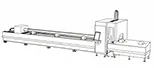
Flat plate cutting is used for sheet and plate materials. Tube laser cutting is used for round, square, rectangular, and special-shaped tubes. Some factories need both systems, especially in metal furniture, machinery frames, construction parts, and vehicle components.
The structure affects stability, cutting accuracy, and long-term performance. A large machine must keep the cutting position stable across a wider working area. A weak structure may reduce cutting quality over time.
Start with your material, maximum cutting thickness, required edge quality, and daily output. Then discuss these details with the supplier. HWlEiC Laser can provide quotation, catalog, and technical consultation to help match the machine configuration with your production needs.
Purchasing a fiber laser cutting machine is an important investment, but successful produc…
scopri di più

Company Profile Shandong HWlEiC Optoelectronic Technology Co., Ltd. is an affiliated compa…
scopri di più
Ti risponderemo entro 24 ore. In caso di necessità urgente, aggiungi WhatsApp/WeChat: +86 15589913375. Oppure chiama direttamente il numero +86 15589913375.
*Rispettiamo la tua riservatezza e tutte le informazioni sono protette.
Utilizzeremo solo le tue informazioni per rispondere alla tua richiesta e non invieremo mai email indesiderate o messaggi promozionali.
Dinamiche e efficienza definitive
Durabilità e affidabilità
Precisione e accuratezza potenziate
Intelligente e facile da usare
Sicurezza e salute
Automazione versatile