
















 모든 제품
모든 제품
시리즈
A3015/A4015/A4020/A6025
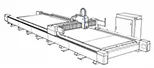
기본적인 단면 레이저 절단 기계
더 알아보기
견적 받기

기본적인 단면 레이저 절단 기계
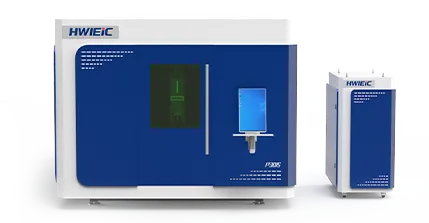
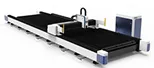
밀폐형 교환 플랫폼 레이저 절단기
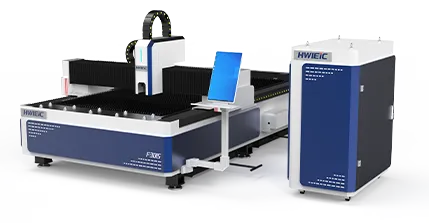
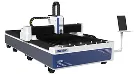
클래식 싱글 비행기 레이저 절단 기계

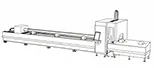
환 플랫폼 섬유 레이저 절단 기계
여기를 클릭하 보낼 사양-우리는 것이 도움 당신이 원본이나 사용자 지정!
A metal sheet laser cutting machine uses a focused laser beam to cut flat metal sheets according to programmed cutting paths. Fiber laser systems are commonly used for industrial sheet metal processing because they combine CNC control with non-contact laser cutting for different metal fabrication requirements.
HWlEiC currently offers four main series in this category: A Series, F Series, E Series, and P Series. The A and F Series use single-platform configurations, the E Series uses an exchange platform, and the P Series combines an exchange platform with an enclosed structure.
HWlEiC sheet metal laser cutting machines can process common industrial metals. For example, the A Series product page lists stainless steel, carbon steel, copper plate, and aluminum plate among its supported materials. Actual cutting capability depends on material type, thickness, laser power, cutting gas, and process settings.
A single-platform machine uses one cutting table for material loading, cutting, and unloading. An exchange-platform machine uses multiple working platforms to reduce waiting time between cutting and material handling.
An exchange-platform machine is worth considering when production throughput is important and loading and unloading time could become a bottleneck. The platform arrangement allows material handling and cutting operations to be organized more efficiently.
The main difference is the machine structure and level of separation between the cutting area and the surrounding workshop.
An open machine provides direct access to the working area, while an enclosed machine surrounds the cutting area with a protective structure. HWlEiC’s P Series uses a fully enclosed dual-exchange-platform configuration for industrial sheet metal processing.
No. Laser power should be selected according to the actual application rather than simply choosing the highest available power.
Important factors include material type, maximum and typical material thickness, sheet dimensions, required cutting efficiency, edge-quality requirements, and production volume. A properly matched configuration is generally more useful than selecting power without considering the production task.
The working area should primarily match the sheet sizes used in daily production. Buyers should consider both their standard sheet dimensions and the largest sheets they expect to process.
HWlEiC provides different working-area configurations across its sheet metal cutting range. For example, the P Series covers working areas from 3000 × 1500 mm to 12000 × 2500 mm according to the current product information.
Positioning accuracy describes how closely the machine can move the cutting head to a commanded position. It is one of the factors affecting dimensional control when producing metal components.
Repeat positioning accuracy is also important because it describes the machine’s ability to return consistently to the same position during repeated operations.
The machine bed provides the structural foundation for the cutting system. Rigidity and dimensional stability are therefore important for maintaining consistent machine movement.
For example, HWlEiC’s A Series uses a welded one-piece bed that undergoes thermal and aging treatment to relieve internal stress and improve rigidity and precision.
An auto-focusing laser head adjusts the focal position without requiring the operator to perform the adjustment manually for every processing condition.
HWlEiC’s A Series, for example, uses an auto-focusing laser head designed to reduce manual intervention during sheet metal processing.
Start with the required production configuration.
A Series is positioned as a basic single-platform machine; F Series as a classic single-platform machine; E Series as an exchange-platform fiber laser cutting machine; and P Series as an enclosed exchange-platform laser cutting machine.
After deciding on the machine structure, compare your material types, thickness range, sheet dimensions, required laser power, production volume, workshop conditions, and automation requirements before selecting the final model.
For businesses primarily processing standard sheet metal and looking for a straightforward single-platform configuration, an entry-level or standard sheet laser cutting machine may be sufficient.
HWlEiC positions the A Series as an economical entry-level model for sheet metal cutting, with an open and compact structure intended for everyday metal processing requirements.
An enclosed exchange-platform configuration becomes relevant when a manufacturer wants to combine material-handling efficiency with an enclosed cutting area.
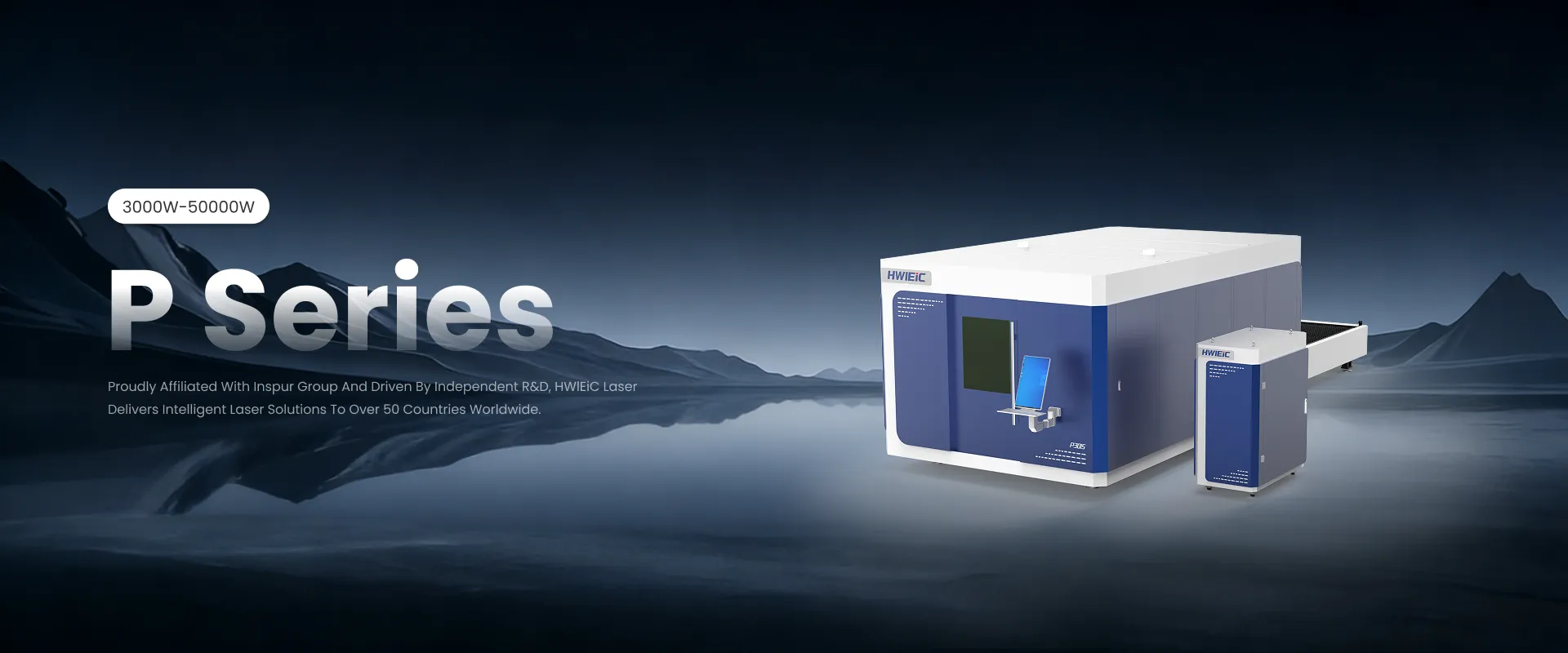
Within the HWlEiC sheet metal range, the P Series combines a fully enclosed structure with dual exchange platforms and is designed for high-power sheet metal processing.
A useful quotation request should include your material types, common and maximum material thicknesses, sheet dimensions, expected production requirements, and preferred machine configuration.
Providing this information helps determine the appropriate working area, laser power, platform configuration, and machine series instead of selecting equipment based only on price or maximum power.
Yes. HWlEiC’s current metal sheet laser cutting range includes basic and classic single-platform machines as well as open and enclosed exchange-platform systems. The category currently provides multiple models under the A, F, E, and P Series, allowing the machine configuration to be matched to different sheet metal processing requirements.
시기 바랍 아래의 양식을 작성을 요청하는 견적,카탈로그 또는 기술 상담입니다.우리의 팀은 당신을 다시 얻을 24 시간 이내.
우리가 응답할 것입니다 당신은 24 시간 이내. 면한 긴급한 경우,추가하십시오 WhatsApp/WeChat:+86 15589913375. 또는 전화+86 15589913375 직접 있습니다.
*우리는 당신의 기밀을 존중하고 모든 정보 보호됩니다.
우리는 오직 귀하의 정보를 사용하여 귀하의 질문에 응답하고 결코 원치 않는 이메일로 보내거나 판촉 메시지입니다.
궁극적인 역동성과 효율성
내구성과 신뢰성
업그레이드 정밀도와 정확도
지능 및 사용 편의성
Safety&건강
다양한 자동화