















 Tüm Ürünler
HJ-R Serisi
Hızlı otomatik kaynak hızı
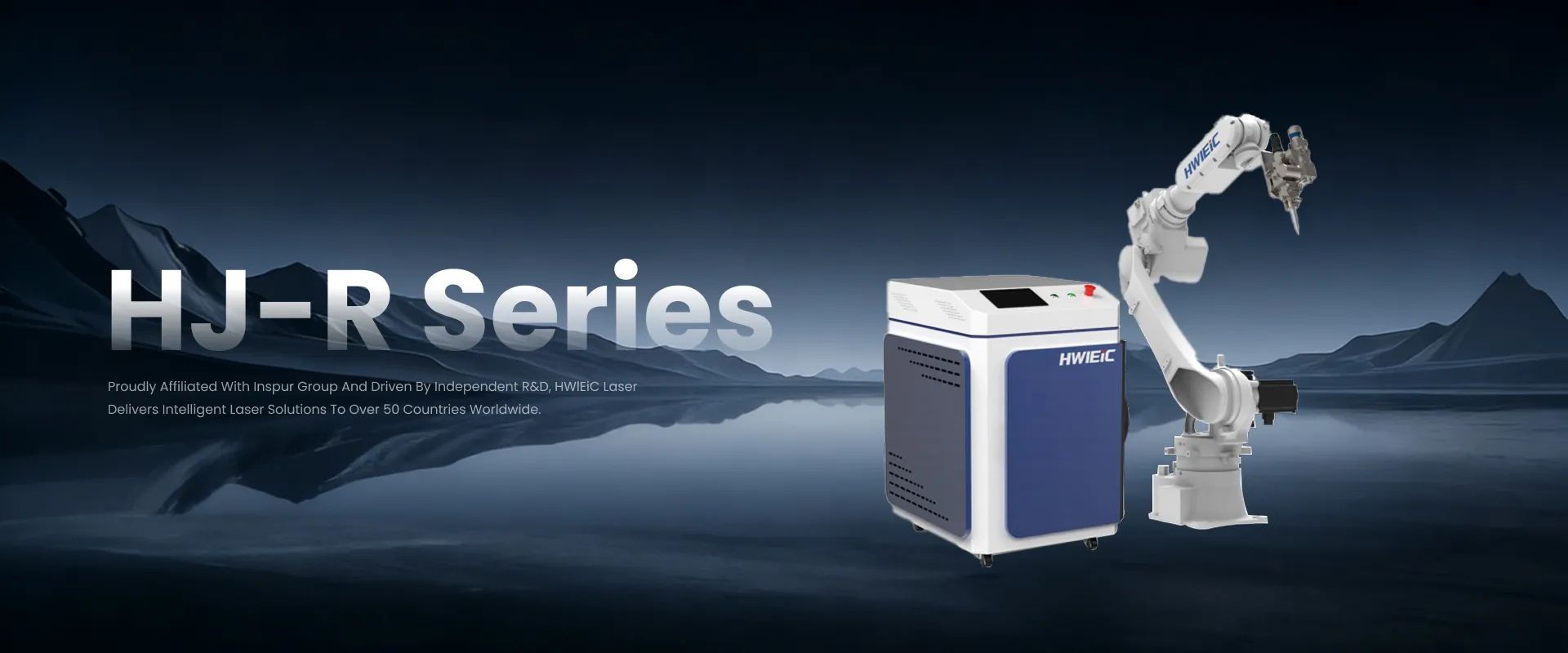
Robotik lazer kaynak makinesi
daha fazla bilgi edin
Fiyat Teklifi Al

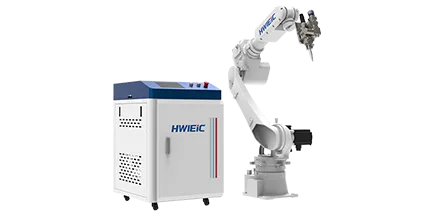
Robotik lazer kaynak makinesi
Spesifikasyonlarınızı göndermek için buraya tıklayın-size kaynak sağlamanıza veya özelleştirmenize yardımcı olacağız!
An automated laser welding machine is a laser welding system designed to perform welding operations with reduced manual intervention through automated motion control, robotic systems, or integrated production equipment. It uses a focused laser beam to create precise welds while improving welding consistency, repeatability, and production efficiency for industrial manufacturing applications.
The main difference is the level of automation and production method. Handheld laser welding machines provide greater flexibility for small-batch production, complex workpieces, and manual operation, while automated laser welding systems are designed for repeatable production processes that require stable welding quality, higher efficiency, and reduced operator dependency.
An automated laser welding machine is suitable when production requires consistent weld quality, repeated welding operations, higher output, and reduced manual labor. It is commonly considered for manufacturers with batch production requirements, standardized components, complex welding paths, or applications where welding consistency is critical.
Yes. Automated laser welding systems can be integrated with robotic arms, positioning systems, workpiece fixtures, and other production equipment to create a more efficient welding workflow. The integration level depends on factors such as product design, production volume, welding process requirements, and factory automation planning.
Robotic laser welding systems provide high repeatability, stable welding quality, and continuous operation capability. Compared with manual welding processes, automation can reduce variations caused by operator differences and improve production consistency, especially for large-volume manufacturing applications.
Automated laser welding machines can process various industrial metals, including stainless steel, carbon steel, aluminum, and other alloys. The suitable welding parameters depend on material properties, thickness, joint design, laser power, and production requirements.
The selection depends on several factors, including the type of workpiece, welding position, material thickness, production volume, required automation level, welding accuracy, and whether robotic integration or customized fixtures are needed. Manufacturers should evaluate their complete production process rather than selecting equipment based only on laser power.
To recommend a suitable automated laser welding solution, buyers should provide information about the workpiece material, product dimensions, welding requirements, production quantity, welding cycle time, automation expectations, and any existing production line conditions. These details help determine the appropriate laser source, welding configuration, automation system, and integration method.
Fiyat teklifi,katalog veya teknik danışmanlık talep etmek için lütfen aşağıdaki formu doldurun.Ekibimiz 24 saat içinde size geri dönecektir.
Biz 24 saat içinde size cevap verecektir. Acil durum için lütfen WhatsApp/WeChat ekleyin: +86 15589913375. Veya doğrudan +86 15589913375 numaralı telefonu arayın.
*Gizliliğinize saygı duyuyoruz ve tüm bilgiler korunuyor.
Bilgilerinizi yalnızca sorunuza yanıt vermek için kullanacağız ve asla istenmeyen e-postalar veya promosyon mesajları göndermeyeceğiz.
Nihai dinamikler ve verimlilik
Dayanıklılık ve güvenilirlik
Yükseltilmiş hassasiyet ve doğruluk
Akıllı ve kullanım kolaylığı
Güvenlik ve sağlık
Çok yönlü otomasyon