















 Все товары
Серия HJ-R
Высокая скорость автоматической сварки
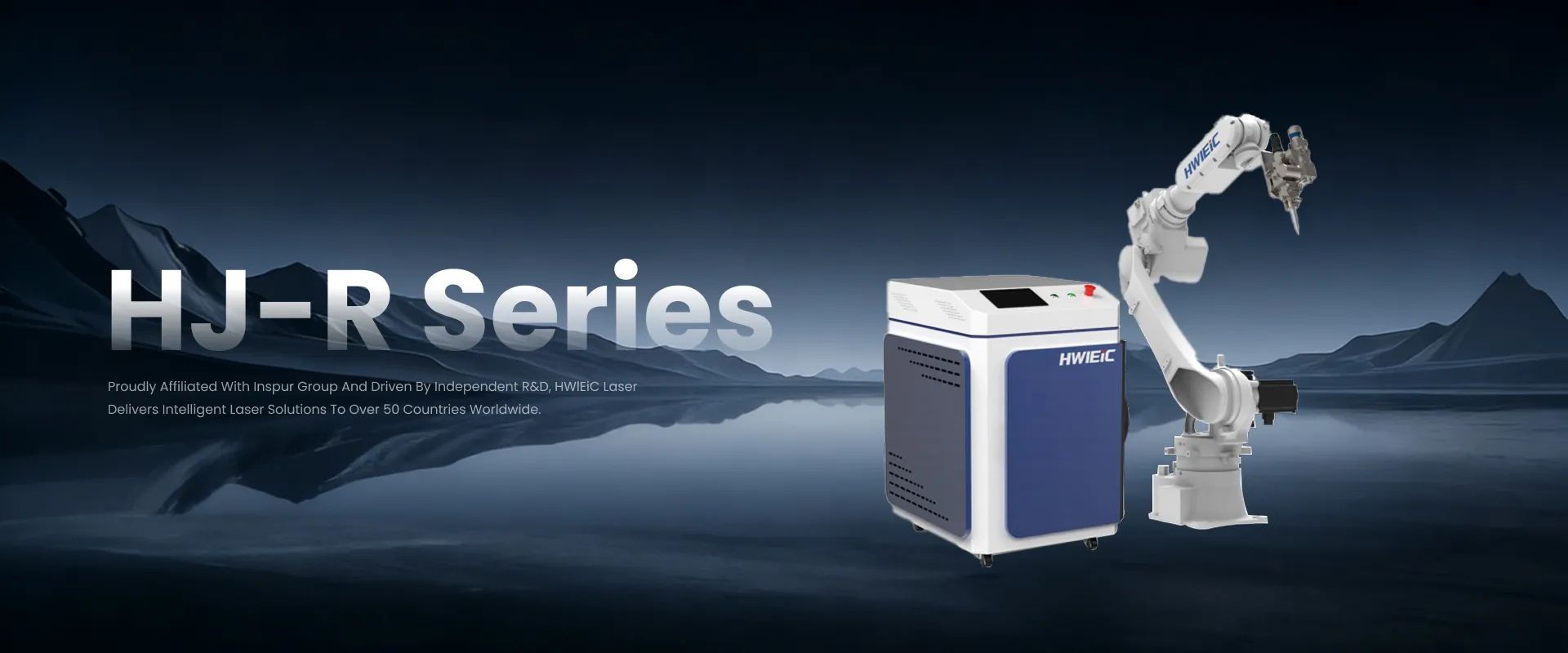
Роботизированный лазерный сварочный аппарат
Узнать больше
Получить цитату

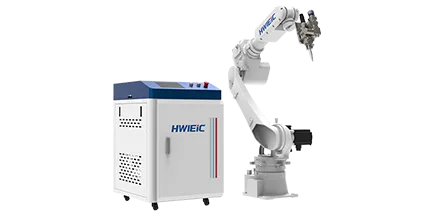
Роботизированный лазерный сварочный аппарат
Click here to send your specs -- we'll help you source or customize it!
An automated laser welding machine is a laser welding system designed to perform welding operations with reduced manual intervention through automated motion control, robotic systems, or integrated production equipment. It uses a focused laser beam to create precise welds while improving welding consistency, repeatability, and production efficiency for industrial manufacturing applications.
The main difference is the level of automation and production method. Handheld laser welding machines provide greater flexibility for small-batch production, complex workpieces, and manual operation, while automated laser welding systems are designed for repeatable production processes that require stable welding quality, higher efficiency, and reduced operator dependency.
An automated laser welding machine is suitable when production requires consistent weld quality, repeated welding operations, higher output, and reduced manual labor. It is commonly considered for manufacturers with batch production requirements, standardized components, complex welding paths, or applications where welding consistency is critical.
Yes. Automated laser welding systems can be integrated with robotic arms, positioning systems, workpiece fixtures, and other production equipment to create a more efficient welding workflow. The integration level depends on factors such as product design, production volume, welding process requirements, and factory automation planning.
Robotic laser welding systems provide high repeatability, stable welding quality, and continuous operation capability. Compared with manual welding processes, automation can reduce variations caused by operator differences and improve production consistency, especially for large-volume manufacturing applications.
Automated laser welding machines can process various industrial metals, including stainless steel, carbon steel, aluminum, and other alloys. The suitable welding parameters depend on material properties, thickness, joint design, laser power, and production requirements.
The selection depends on several factors, including the type of workpiece, welding position, material thickness, production volume, required automation level, welding accuracy, and whether robotic integration or customized fixtures are needed. Manufacturers should evaluate their complete production process rather than selecting equipment based only on laser power.
To recommend a suitable automated laser welding solution, buyers should provide information about the workpiece material, product dimensions, welding requirements, production quantity, welding cycle time, automation expectations, and any existing production line conditions. These details help determine the appropriate laser source, welding configuration, automation system, and integration method.
Пожалуйста, заполните форму ниже, чтобы запросить ценовое предложение, каталог или техническую консультацию.Наша команда свяжется с вами в течение 24 часов.
Мы ответим вам в течение 24 часов. Если дело срочное, пожалуйста, добавьте WhatsApp / WeChat: + 86 15589913375. Или позвоните по телефону + 86 15589913375 напрямую.
*Мы уважаем вашу конфиденциальность, и вся информация защищена.
Мы будем использовать вашу информацию только для ответа на ваш запрос и никогда не будем отправлять нежелательные электронные письма или рекламные сообщения.
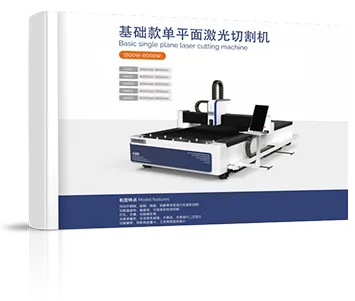
Максимальная динамика и эффективность
Долговечность и надежность
Повышенная точность и аккуратность
Интеллектуальный и простой в использовании
Безопасность и здоровье
Универсальная автоматизация