







October 22,2026
From Delivery to Production: HWlEiC Laser Machine Installation and Training
Purchasing a fiber laser cutting machine is an important investment, but successful produc…
더 알아보기

 09:51
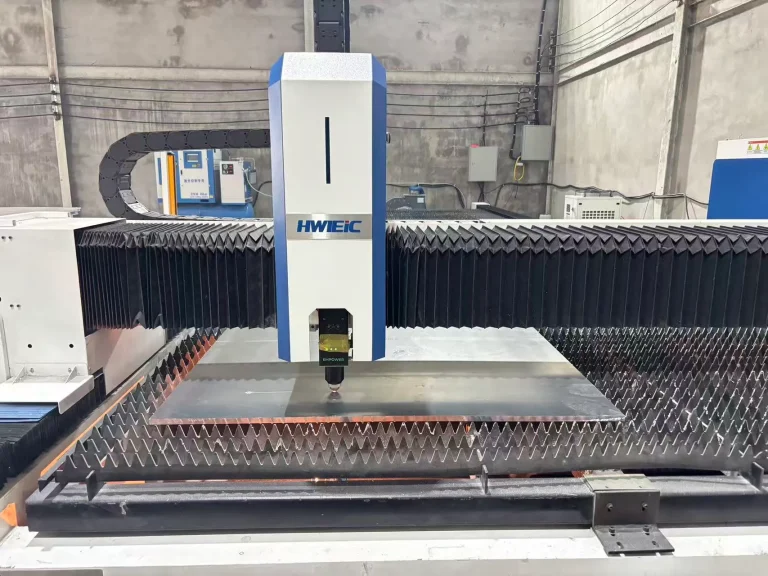
Purchasing a fiber laser cutting machine is an important investment, but successful production depends on more than the equipment itself. International buyers also need to understand how the machine is delivered, installed, commissioned, and supported after arrival.
What happens after ordering a fiber laser cutting machine from HWlEiC Laser? The process typically involves pre-shipment inspection, delivery coordination, installation preparation, machine commissioning, operator training, and follow-up support. The exact arrangements depend on the machine configuration, project requirements, and agreed service scope.
For manufacturers investing in laser cutting equipment, a clearly coordinated process helps reduce installation uncertainties and provides a more practical path from equipment delivery to production.
Before a machine leaves the factory, buyers should confirm that its configuration matches the purchase agreement and intended application.
Important checks include the machine model, laser power, working area, major components, auxiliary equipment, and any agreed technical requirements. Where applicable, a pre-shipment inspection can also include machine operation checks and cutting tests using representative materials.
For international projects, buyers should clarify which inspection records, photographs, videos, and technical documents will be provided before shipment.
In a Thailand customer project involving a G8025 6 kW laser cutting machine, the project records include positive feedback during machine inspection and subsequent comments about equipment use.

This stage is important because pre-shipment inspection gives buyers an opportunity to review the equipment before it enters the international delivery process. It also helps establish a clearer reference point for discussing configuration, operating performance, and any issues that need attention.
For overseas buyers who cannot visit the factory personally, inspection arrangements should be confirmed with the supplier in advance.
Shipping an industrial laser cutting machine involves more than transporting equipment from one location to another. Buyers and suppliers must coordinate the shipping documents, customs clearance, delivery schedule, and receiving arrangements.
Before shipment, confirm:
The buyer should also confirm local import requirements with the relevant customs broker or logistics provider. Documentation, duties, taxes, and clearance procedures vary by destination.
Preparing these details early helps reduce avoidable delays between arrival and installation.
The installation requirements depend on the machine’s power, structure, working area, and auxiliary equipment.
Before the installation team arrives, the buyer should verify the following conditions.
| Preparation item | What to confirm |
| Electrical supply | Voltage, frequency, phase, circuit capacity, and grounding |
| 보조 가스 | Required gas type, pressure, flow, and supply arrangement |
| 냉각 시스템 | Chiller configuration, coolant requirements, and operating environment |
| Workshop space | Machine footprint, maintenance clearance, and material-handling access |
| Floor conditions | Load-bearing capacity, levelness, and applicable foundation requirements |
| Fume extraction | Dust collector, ductwork, and suitable filtration |
| Material handling | Unloading equipment, lifting access, and transportation route |
| Test materials | Representative materials and thicknesses for commissioning checks |
These requirements should be verified against the technical documentation for the selected machine rather than assumed to be identical across all configurations.
For a more detailed preparation checklist, see HWlEiC Laser’s related guide, Fiber Laser Cutting Machine Installation Requirements: A Workshop Preparation Guide.
Once the machine arrives and the installation area is ready, the next stage is to position the equipment and verify that its systems operate as intended.
The exact procedure depends on the machine design and project scope, but a typical commissioning process may include the following activities:
Equipment positioning and inspection. Check the machine after unpacking, confirm that the relevant components are present, and position the equipment according to the installation drawings.
Utility and auxiliary-system checks. Verify the electrical supply, cooling system, assist gas connections, extraction equipment, and other specified services.
System startup and movement checks. Follow the manufacturer’s commissioning procedure to check the control system, machine movement, safety functions, and relevant operating parameters.
Cutting tests. Use agreed test materials and cutting parameters to evaluate cutting performance, edge quality, and dimensional results against the applicable requirements.
Issue resolution. Document any problems identified during commissioning and confirm the necessary corrective actions before the machine enters routine production.
Commissioning results should be evaluated against the agreed technical requirements and actual application. A successful startup alone does not replace any formal acceptance procedure specified in the purchase agreement.
Operator training helps production personnel understand how to use the equipment correctly, follow safe operating procedures, and perform routine checks.
Depending on the machine configuration and agreed training scope, relevant topics may include:
Training should be adapted to the operators’ experience and the factory’s production requirements. Buyers should confirm the training format, language, schedule, and scope before delivery, particularly when overseas personnel need to coordinate with the supplier’s technical team.
A practical training session should focus on the jobs the customer expects to produce, rather than only demonstrating general machine functions.
Machine acceptance should be based on agreed requirements, not simply the fact that the machine powers on or completes a demonstration cut.
Before commissioning, buyers and suppliers should establish the relevant acceptance criteria. Depending on the contract and application, these may cover:
A written checklist helps both parties maintain a clear record of what has been tested and what remains to be completed.
For production-focused buyers, testing representative workpieces is particularly useful because material thickness, contour complexity, edge-quality requirements, and production workflow can influence actual results.
After commissioning, buyers may still need assistance with operating questions, process settings, or production issues. Clear communication and appropriate technical support are therefore important parts of the equipment purchasing experience.
In one Saudi customer communication, the buyer reported that the machine was working after technical support and expressed appreciation for the assistance received.
This feedback illustrates the practical importance of addressing operating issues and following up with customers after delivery. For overseas manufacturers, being able to communicate an issue clearly and receive appropriate technical guidance can help reduce uncertainty when equipment is being brought into production.
The Thailand G8025 6 kW project also includes positive inspection and usage feedback, together with a discussion about the possibility of purchasing an additional 12 kW machine after another factory was completed.
A future purchase plan is not the same as a completed repeat order, but it indicates that the customer was considering further equipment investment.
For industrial buyers, this type of ongoing relationship highlights the value of evaluating a supplier beyond the initial transaction. Equipment performance, technical communication, application suitability, and after-sales support all contribute to the overall purchasing experience.
HWlEiC Laser supplies fiber laser cutting equipment for sheet metal processing applications. For overseas projects, buyers should clarify the delivery, installation, commissioning, training, and after-sales arrangements applicable to their selected configuration.
Before confirming an order, discuss the following questions with the supplier:
How can the customer contact the technical support team after installation?
What are the agreed acceptance criteria for the project?
Confirming these points in writing helps establish realistic expectations and gives the buyer a clearer understanding of the support available throughout the project.
To explore available equipment, visit the HWlEiC Laser website or contact the team to discuss your materials, cutting requirements, and intended production setup.
What happens after ordering a fiber laser cutting machine?
The process generally includes configuration confirmation, pre-shipment inspection, shipping coordination, site preparation, installation, commissioning, operator training, and follow-up support. The exact sequence and services depend on the project agreement.
Does HWlEiC Laser provide installation and operator training?
Installation and training arrangements should be confirmed for the specific machine and order. Before purchasing, ask which services are included, whether support is on-site or remote, what languages are available, and whether travel or other service costs apply.
How long does installation and commissioning take?
The time required depends on the machine configuration, workshop readiness, auxiliary equipment, and commissioning scope. The installation schedule should be confirmed with the supplier after the site requirements and delivery arrangements have been reviewed.
What should I prepare before the machine arrives?
Prepare the required electrical supply, cooling arrangement, assist gas, fume extraction, installation space, unloading equipment, and representative test materials. Use the supplier’s model-specific installation documentation to confirm the exact requirements.
How is a fiber laser cutting machine accepted after installation?
Acceptance should follow the agreed inspection and testing criteria. Depending on the contract, this may include checking the machine configuration, verifying system functions, cutting representative workpieces, reviewing dimensional accuracy, and documenting any outstanding issues.
Can overseas buyers receive technical support after delivery?
Available support methods depend on the supplier’s service arrangements and the specific project. Confirm the communication channels, support scope, language, response arrangements, and any associated costs before purchasing.
Bringing a fiber laser cutting machine into production requires coordinated preparation, inspection, delivery, commissioning, training, and ongoing technical communication.
For international buyers, the most effective approach is to clarify installation responsibilities and acceptance criteria before shipment, prepare the workshop in advance, and test the machine using representative production requirements.
HWlEiC Laser’s customer project records from Thailand and Saudi Arabia provide examples of inspection feedback, equipment-use feedback, and technical support communication. For buyers evaluating a new laser cutting system, these practical considerations can help make the transition from delivery to production more predictable.
Planning your next fiber laser cutting machine investment? Contact HWlEiC Laser to discuss your application, machine configuration, installation preparation, and project-specific support requirements.
Purchasing a fiber laser cutting machine is an important investment, but successful produc…
더 알아보기

Company Profile Shandong HWlEiC Optoelectronic Technology Co., Ltd. is an affiliated compa…
더 알아보기
우리가 응답할 것입니다 당신은 24 시간 이내. 면한 긴급한 경우,추가하십시오 WhatsApp/WeChat:+86 15589913375. 또는 전화+86 15589913375 직접 있습니다.
*우리는 당신의 기밀을 존중하고 모든 정보 보호됩니다.
우리는 오직 귀하의 정보를 사용하여 귀하의 질문에 응답하고 결코 원치 않는 이메일로 보내거나 판촉 메시지입니다.
궁극적인 역동성과 효율성
내구성과 신뢰성
업그레이드 정밀도와 정확도
지능 및 사용 편의성
Safety&건강
다양한 자동화