





October 22,2026
From Delivery to Production: HWlEiC Laser Machine Installation and Training
Purchasing a fiber laser cutting machine is an important investment, but successful produc…
learn more


 16:02
Metal fabrication is evolving as manufacturers seek higher cutting precision, more flexible production, and better control over operating costs. Choosing the right cutting technology has become an important part of equipment planning, particularly for businesses processing metal sheets, tubes, and precision components.
Fiber laser cutting is an important technology in modern metal fabrication, offering advantages in many applications that require accurate contours, consistent cutting quality, and CNC-controlled production. However, plasma cutting, waterjet cutting, CO₂ laser processing, and wire electrical discharge machining (Wire EDM) continue to serve specific industrial needs. Understanding the differences helps manufacturers identify the most suitable process for their materials and production goals.
Industrial cutting technologies use different methods to remove material, and each process has its own strengths. Material compatibility, workpiece thickness, dimensional requirements, and production volume all influence the choice.
Fiber laser cutting uses a focused laser beam to cut suitable metals, with assist gas helping remove molten material from the cutting path. It is widely used in sheet metal fabrication and can also support tube and pipe processing with the appropriate machine configuration.
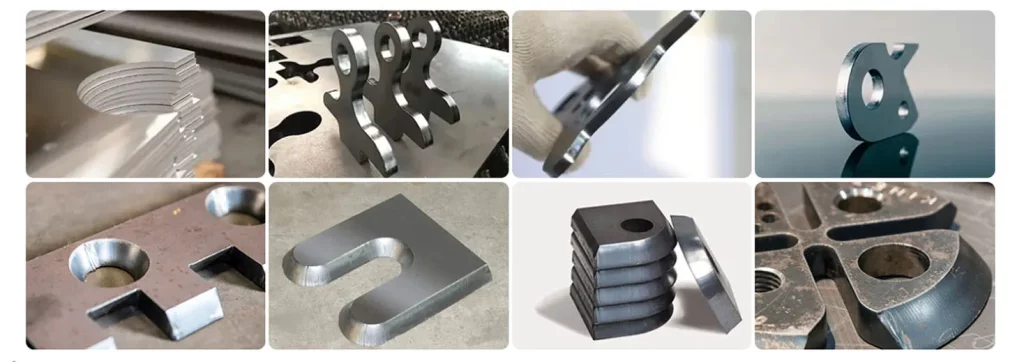
Plasma cutting uses a high-temperature ionized gas stream to cut electrically conductive materials. It remains useful for many structural metal applications, particularly where the required cutting precision and edge quality are compatible with the process.
Waterjet cutting uses a high-pressure water stream, often combined with abrasive particles. Because it does not create a conventional heat-affected zone, it can be suitable for materials and components that are sensitive to thermal changes.
Wire EDM removes electrically conductive material through controlled electrical discharges. It is commonly used for precision tooling, dies, punches, and intricate components.
CO₂ laser technology also remains relevant, particularly for applications involving non-metal materials such as acrylic, wood, leather, paper, and textiles.
These technologies should not be viewed as interchangeable. Each addresses a different combination of material, quality, productivity, and cost requirements.
For manufacturers working mainly with metal sheets, fiber laser cutting offers a combination of precision, processing flexibility, and automation potential.
A CNC fiber laser cutting machine can follow digital cutting paths to produce complex shapes, holes, slots, and contours. Changing the cutting program allows manufacturers to accommodate different part designs without creating a dedicated mechanical cutting tool for every component.
On suitable materials and thicknesses, fiber laser cutting can also produce narrow kerfs and clean edges, helping reduce additional grinding or finishing work. Actual results depend on laser power, material grade, assist gas, cutting parameters, and machine configuration.
These characteristics make fiber laser cutting relevant to several industrial applications, including:
For manufacturers managing mixed orders or frequent design changes, CNC laser cutting can also improve production flexibility and repeatability.
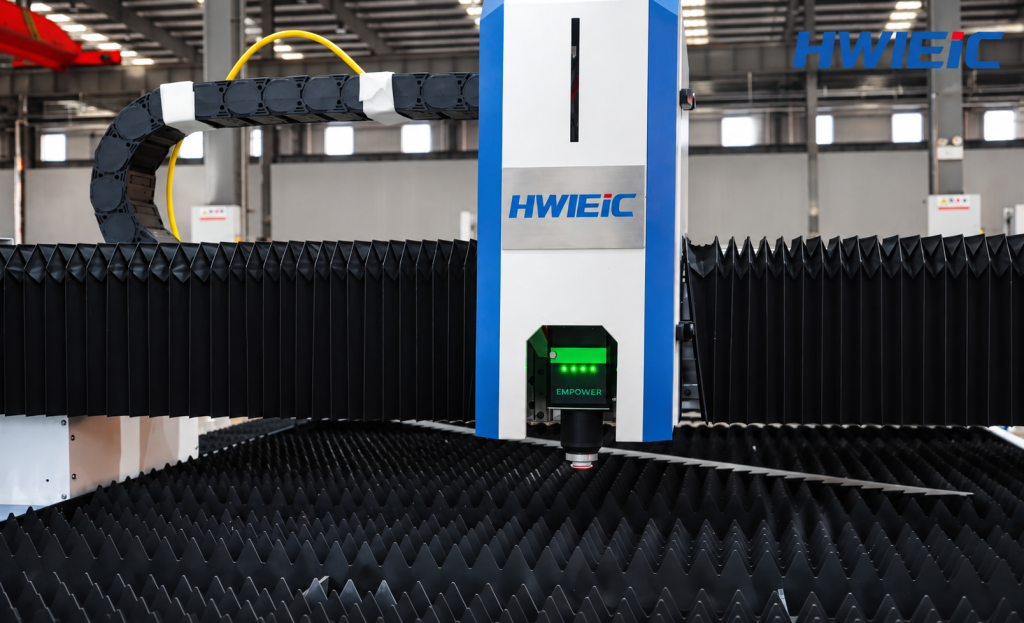
Fiber laser and plasma cutting are both thermal processes, but their typical applications differ.
Fiber laser cutting is often preferred for metal parts requiring detailed contours, narrow kerfs, and consistent dimensions. It is particularly relevant to precision sheet metal production, where edge quality and reduced secondary processing can influence overall manufacturing efficiency.
Plasma cutting remains a practical option for many conductive-metal applications, including structural plate cutting. Depending on the equipment and production requirements, it may offer an economical solution when the required tolerance is less demanding.
| Comparison factor | Fiber laser cutting | Plasma cutting |
| Typical applications | Precision sheet metal and suitable tube processing | Conductive-metal and structural plate cutting |
| Fine contours | Well suited to detailed profiles | More limited for very small features |
| Kerf width | Generally narrow | Generally wider |
| Heat effects | Localized thermal effects are possible | Thermal effects and edge distortion are possible |
| Edge finishing | May reduce finishing on suitable parts | Additional finishing may be required |
| Best selection criteria | Precision, flexibility, and production requirements | Material thickness, tolerance, and cost requirements |
There is no universal thickness threshold at which one technology always becomes preferable. High-power fiber laser systems can process thicker materials than lower-power systems, while plasma remains useful for many structural metal cutting tasks.
Manufacturers should compare the quality of the finished component, not just the cutting speed or initial equipment price.
Fiber laser and waterjet cutting serve different production priorities.
Laser cutting uses heat to separate material. Although the affected area is localized, thermal effects can occur near the cutting edge. Waterjet cutting avoids a conventional heat-affected zone, making it useful for selected heat-sensitive materials and applications where preserving the material’s thermal properties is important.
Waterjet systems can process a broad range of materials, including metals, composites, and stone. Fiber laser cutting, by contrast, is particularly relevant to productive metal sheet processing where CNC control, repeatability, and cutting speed are important.
| Comparison factor | Fiber laser cutting | Waterjet cutting |
| Cutting mechanism | Focused laser energy | High-pressure water, often with abrasive |
| Heat-affected zone | Possible | None from the cutting process |
| Material compatibility | Depends on material and laser configuration | Broad range of materials |
| Metal sheet productivity | Often strong on suitable materials and thicknesses | Depends on material, thickness, and quality settings |
| Consumables and maintenance | Assist gas, nozzles, optics, and system-specific parts | Abrasive, pump components, seals, and other system-specific parts |
Waterjet cutting can be the better option when avoiding heat-related changes is essential. Fiber laser cutting may be more suitable when the priority is efficient, repeatable metal sheet production.
The choice should reflect the actual workpiece requirements rather than a general claim that one process is superior.
Wire electrical discharge machining serves a different role from conventional sheet metal laser cutting.
Wire EDM uses electrical discharges to remove material from conductive workpieces. It is commonly used for dies, punches, molds, and precision components with complex geometries or demanding tolerance requirements.
Fiber laser cutting is widely used for sheet metal profiling, brackets, panels, machine components, and other parts where productive cutting and flexible CNC processing are important.
Fiber and CO₂ lasers are both established laser technologies, but their suitability depends heavily on the material being processed.
Fiber laser cutting is widely used for industrial metal processing, including carbon steel, stainless steel, and aluminum, subject to machine configuration and process requirements.
CO₂ lasers remain widely used in many non-metal applications, including acrylic, wood, leather, paper, and textiles. They should not be considered obsolete simply because fiber lasers are widely adopted for metal cutting.
| Comparison factor | Fiber laser | CO₂ laser |
| Common industrial focus | Metal cutting | Many non-metal cutting and engraving applications |
| Typical materials | Carbon steel, stainless steel, aluminum, and selected other metals | Acrylic, wood, leather, paper, and textiles |
| Equipment selection | Match laser power and configuration to material and thickness | Match laser configuration to the intended material and process |
For manufacturers whose primary production involves metal sheets and tubes, fiber laser equipment is often the more relevant choice. Businesses focused on non-metal processing should evaluate the requirements of their own materials before selecting a laser source.
Equipment investment is only one part of the cost of a cutting process. Energy consumption, consumables, maintenance, labor, finishing requirements, and production output can all affect the cost of a finished component.
Manufacturers should evaluate the following factors:
Fiber laser equipment may require a higher initial investment than a basic plasma system, but improved productivity and reduced finishing can offset that difference in suitable applications. Waterjet and Wire EDM also have their own operating costs, which depend on the machine, process settings, and production requirements.
A more useful comparison is the total cost per accepted finished part rather than the initial purchase price alone.
The most suitable cutting process depends on the materials you handle, the quality you need, and how your factory operates.
Fiber laser cutting is a strong option for many precision metal sheet applications, complex contours, and repeatable CNC production. Plasma cutting can suit selected structural metal applications, while waterjet cutting is valuable when thermal effects must be avoided. Wire EDM remains relevant to precision machining, and CO₂ lasers continue to serve many non-metal cutting and engraving applications.
Before investing in equipment, manufacturers should confirm their common material grades, thickness range, required tolerances, production volume, and automation needs. Testing representative workpieces can help verify cutting quality and establish realistic production expectations.
For companies processing both flat sheets and tubes, it is also important to consider whether separate machines or a combined sheet-and-tube laser cutting solution better matches the production workflow.
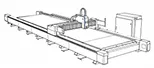
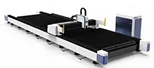
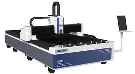
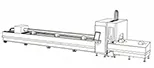
HWlEiC Laser focuses on industrial laser equipment, including fiber laser cutting machines for metal processing. Its product range includes flat-sheet cutting systems, tube laser cutting machines, and combined sheet-and-tube cutting solutions.
For manufacturers evaluating fiber laser cutting, the relevant product options include:
Plasma cutting, waterjet cutting, and Wire EDM are discussed in this article as alternative industrial processes for comparison; they are not presented as HWlEiC Laser product offerings.
By matching machine configuration to material type, thickness, working dimensions, accuracy requirements, and production volume, manufacturers can make a more informed investment decision.
To explore fiber laser cutting equipment for your application, visit the HWlEiC Laser website or contact the team to discuss your metal processing requirements.
Is fiber laser cutting better than plasma cutting?
Fiber laser cutting is often better suited to metal sheet applications requiring fine details, narrow kerfs, and clean edges. Plasma remains practical for selected structural and thick-metal applications where the required tolerance is less demanding.
Is waterjet cutting more accurate than fiber laser cutting?
Neither process is universally more accurate. Waterjet cutting avoids heat-related material changes, while fiber laser cutting can provide high precision and productivity on suitable metal sheets. Actual results depend on the machine, material, thickness, and process settings.
Can fiber laser cutting machines process non-metal materials?
Industrial fiber laser cutting machines designed for metal processing are not generally the default choice for cutting wood or acrylic. CO₂ laser systems are commonly used for these materials.
Is Wire EDM suitable for high-volume sheet metal cutting?
Wire EDM is mainly used for precision machining of conductive materials, including dies, punches, and intricate components. Fiber laser cutting is generally more suitable for high-volume sheet metal profiling.
How should manufacturers compare cutting equipment costs?
Compare equipment investment, energy, consumables, maintenance, labor, production output, and finishing requirements. The most useful measure is often the total cost per accepted finished part.
Industrial cutting technologies continue to serve different manufacturing requirements. Fiber laser cutting is an important solution for many modern metal fabrication applications, while plasma, waterjet, Wire EDM, and CO₂ laser systems remain useful for specific materials and processes.
For manufacturers considering a production upgrade, the best starting point is a clear assessment of material, thickness, precision, output, and total operating cost. This approach helps businesses select a cutting process that meets their actual requirements and supports long-term manufacturing efficiency.
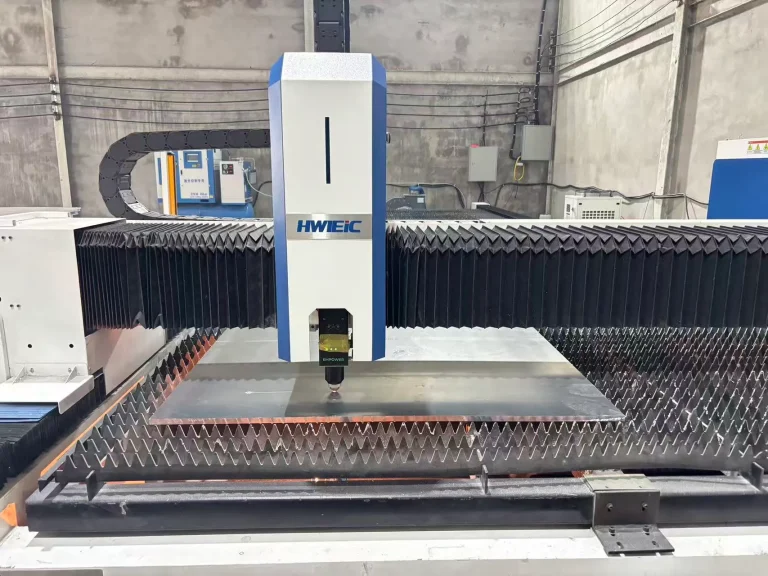
Purchasing a fiber laser cutting machine is an important investment, but successful produc…
learn more

Company Profile Shandong HWlEiC Optoelectronic Technology Co., Ltd. is an affiliated compa…
learn more
We will reply you within 24 hours. If for urgent case, please add WhatsApp/WeChat: +86 15589913375. Or call +86 15589913375 directly.
*We respect your confidentiality and all information are protected.
We will only use your information to respond to your inquiry and will never send unsolicited emails or promotional messages.
Ultimate dynamics and efficiency
Durability and reliability
Upgraded precision and accuracy
Intelligent & ease of use
Safety & healthy
Versatile automation