
















July 25,2026
Laser Cutting Machine Price: What Drives Cost
Laser cutting machine price isn’t a single number you can look up — it’s the o…
더 알아보기

 10:28
10:28 Metal manufacturers want faster cutting, but many still face rough edges, slow output, high labor cost, and unstable machine performance.A fiber laser metal cutting machine is used to cut metal sheets and plates with a focused laser beam and CNC control. It is suitable for stainless steel, carbon steel, aluminum, brass, and other metals. For industrial buyers, it improves cutting speed, precision, material use, and long-term production efficiency.
Choosing the right laser cutting machine is not only about laser power. It is also about your material type, sheet size, cutting thickness, workshop layout, production volume, automation needs, and supplier support. A good decision can improve your daily output. A wrong decision can increase downtime and cost.
At HWlEiC Laser, we serve industrial buyers who need reliable laser cutting, welding, cleaning, and marking solutions. We focus on helping manufacturers select equipment that fits real production needs, not only brochure specifications.
A fiber laser metal cutting machine is an industrial cutting system that uses fiber laser technology to cut metal materials. The machine uses a laser source to generate a high-energy beam. The cutting head focuses the beam onto the metal surface. The CNC system controls the cutting path according to the drawing file.
This type of machine is widely used in sheet metal processing, metal fabrication, machinery parts manufacturing, electrical cabinet production, automotive components, elevator parts, metal furniture, and industrial equipment production. It can cut stainless steel, carbon steel, mild steel, aluminum, brass, and selected alloy materials.
The main value is simple. A fiber laser cutting machine helps factories cut faster and cleaner. It also reduces manual marking, sawing, punching, and grinding work. For business buyers, this means more stable delivery, better part consistency, and lower labor pressure.
A traditional cutting method may still work for simple rough parts. But when customers require better accuracy and cleaner edges, fiber laser cutting becomes more useful. The machine can follow complex patterns, small holes, slots, sharp corners, and repeated part designs with high consistency.
For B2B buyers, the most important question is not “Can it cut metal?” The better question is “Can it cut my daily materials with stable quality, acceptable cost, and reliable support?” That is the real buying logic behind industrial laser equipment.
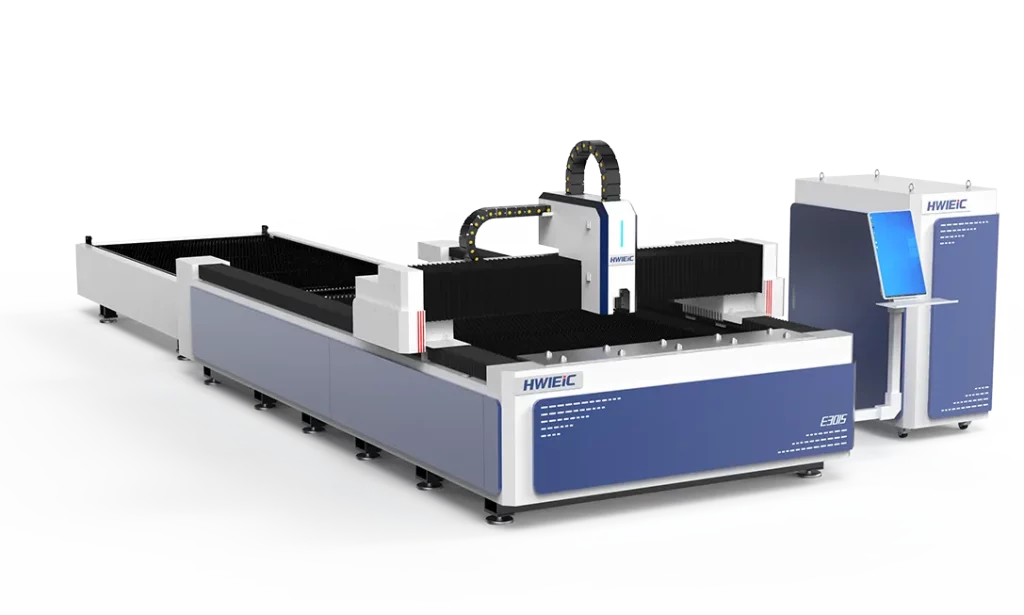
A cnc fiber laser metal cutting machine combines fiber laser cutting with digital CNC control. This helps factories move from manual cutting to automated, repeatable, and data-based production. The operator can import drawings, set cutting parameters, and let the machine follow the path with high accuracy.
This is important for factories that handle many different part shapes. In metal fabrication, one order may require flat panels. Another order may require brackets, covers, cabinet doors, machine frames, or decorative metal parts. CNC control makes these changes easier because the machine follows digital files instead of hand-marked lines.
A CNC system also improves repeatability. When a factory makes the same part again and again, each batch needs stable size and edge quality. If the cutting process depends too much on manual skill, quality may change between workers or shifts. A CNC laser cutting machine helps reduce that risk.
The key benefits include:
For industrial buyers, CNC control is not a small feature. It directly affects output, labor cost, quality control, and delivery speed. A good CNC system makes the machine easier to operate and easier to manage.
A fiber laser cutting machine improves metal fabrication by speeding up cutting, reducing secondary finishing, and making part quality more consistent. This is useful for factories that need to process many metal parts every day.
In many workshops, cutting is only the first step. After cutting, parts may need bending, welding, coating, polishing, or assembly. If the cutting edge is rough, the next process becomes slower. If the part size is unstable, assembly becomes difficult. If the hole position is wrong, the whole batch may need rework.
Fiber laser cutting helps reduce these problems. It creates a narrow cutting line and clean part profile when the machine is correctly configured. This improves the flow from cutting to welding or assembly.
For sheet metal fabrication companies, this can bring clear value:
| Buyer Concern | How Fiber Laser Cutting Helps |
| Slow Production | Faster cutting speeds increase daily production output |
| Rough Edges | Cleaner cuts reduce the need for grinding and polishing |
| Material Waste | Nesting software improves sheet utilization and reduces scrap |
| Labor Costs | CNC operation reduces manual cutting work and operator dependence |
| Repeat-Order Quality | Digital cutting files improve consistency across production batches |
| Tight Delivery Times | Stable cutting performance supports more reliable production planning |
A metal laser cutter can also support flexible production. A job shop may cut small batches, custom parts, and repeat orders in the same week. Fiber laser technology helps these factories respond faster to customer demand.
For HWlEiC Laser, the goal is not only to provide equipment. The goal is to help buyers build a more efficient metal processing workflow.
A metal laser cutting machine can cut many common industrial metals. These include stainless steel, carbon steel, mild steel, aluminum, brass, copper plate, galvanized sheet, and some alloy materials. The real cutting result depends on laser power, material thickness, gas type, machine structure, and cutting parameters.
Different metals behave differently during laser cutting. Stainless steel often needs a clean edge for appearance or assembly. Carbon steel is common in frames, machinery parts, and structural components. Aluminum is light, but it can be more reflective. Brass is also reflective, so it needs suitable machine settings and experience.
Buyers should prepare clear material information before asking for a quotation. This helps the supplier recommend the right power and configuration.
Important details include:
A laser cutting machine supplier cannot make the best recommendation without this information. For example, a buyer who cuts thin stainless steel panels does not need the same configuration as a heavy machinery factory cutting thick carbon steel plates.
A professional manufacturer should ask about your real production before recommending a machine. This protects your investment and helps avoid overspending or under-buying.
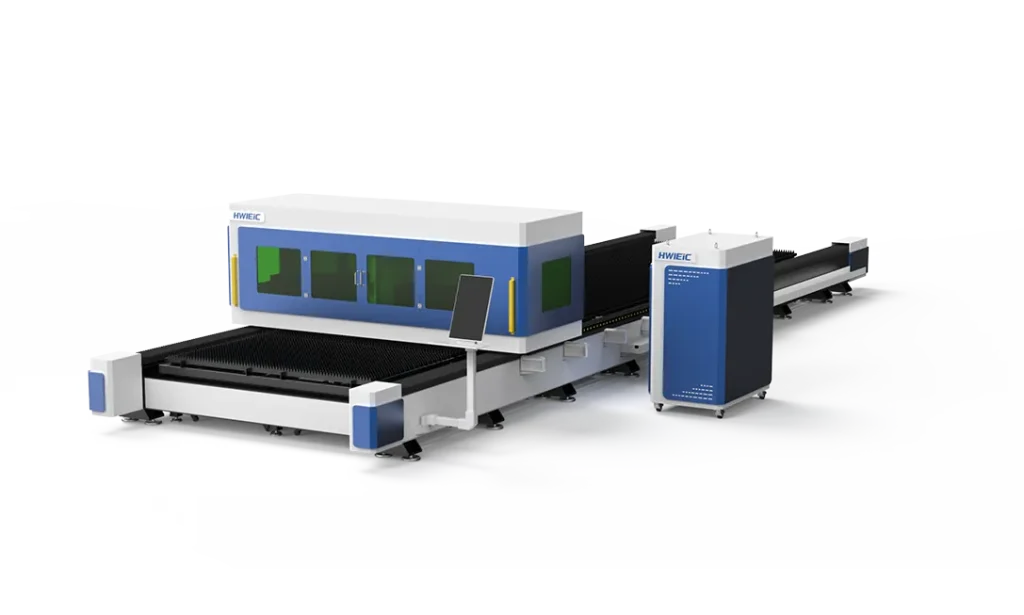
The keyword fiber laser cutting machine china is common because many global buyers look to China for industrial laser equipment, supplier options, customization, and export-ready support. These buyers often want a balance between machine capability, price, delivery, and long-term service.
However, buyers should not choose a supplier only because the price looks low. A laser cutting machine is not a simple product. It includes the laser source, cutting head, CNC system, machine bed, guide rails, drive system, chiller, electrical cabinet, software, safety design, and after-sales support.
When international buyers search for fiber laser cutting machine china, they usually care about:
This search term has strong business intent. It often means the buyer is already comparing suppliers. They may be asking for prices, catalogs, cutting samples, shipping details, and factory capability.
At HWlEiC Laser, we understand that international industrial buyers need more than a machine quotation. They need clear communication, reliable configuration advice, technical support, and a long-term manufacturing partner. This is especially important for customers in automotive, aerospace, electronics, new energy, heavy machinery, and advanced metal processing.
Buyers should choose laser power based on material type, cutting thickness, speed requirement, edge quality, budget, and future production growth. Higher power can improve cutting capacity, but it is not always the best choice for every factory.
A common mistake is buying by wattage alone. Some buyers believe a higher-power fiber laser cutting machine is always better. This is not always true. Higher power may increase speed and thickness range, but it can also increase purchase cost, gas use, cooling demand, and maintenance requirements.
A simple selection view:
| Power Range | Common Use |
| 1500W–2000W | Thin sheet metal cutting, small workshops, and entry-level production |
| 3000W | General industrial sheet cutting across a wider material range |
| 6kW | Higher-speed cutting and thicker metal processing |
| Higher Power | Heavy-duty production, thick-plate cutting, and high-volume industrial applications |
The best choice depends on your most common work, not only your rare maximum job. If your factory cuts thin stainless steel every day and thick plate only once a month, it may not be wise to buy a very high-power system just for rare work.
Buyers should also consider assist gas, cutting speed, part accuracy, and downstream finishing. The right machine should improve the full workflow, not only cut one sample in a showroom.
HWlEiC Laser supports buyers by discussing material range, thickness, sheet size, and expected production volume before recommending a machine configuration.
Industrial buyers should check the full machine configuration before buying. A fiber laser metal cutting machine depends on many parts working together. The laser source is important, but it is only one part of the complete system.
The cutting head affects focusing, piercing, edge quality, and stability. The CNC system affects motion control and operation. The machine bed affects long-term accuracy. The chiller controls temperature. The drive system affects speed and repeatability. The electrical system affects safety and reliability.
Buyers should review these key parts:
A low-cost machine may look attractive at first. But if the configuration is weak, the buyer may face unstable cutting, frequent downtime, higher operating cost, and poor after-sales experience.
A reliable metal laser cutting machine should be built for daily industrial use. It should not only perform well during a short demonstration. It should remain stable during long working shifts and repeated production batches.
This is why supplier experience matters. A good manufacturer can explain why each component is selected and how it affects production. This helps the buyer make a safer decision.
A metal laser cutter uses a focused laser beam and CNC motion control to cut metal. Traditional cutting methods may include plasma cutting, flame cutting, mechanical cutting, or manual cutting. Each method has value, but fiber laser cutting gives better speed and accuracy for many sheet metal jobs.
Traditional cutting may be useful for rough or very thick materials. It can also have a lower starting cost in some cases. But it often requires more finishing work. It may create wider kerfs, larger heat-affected areas, rougher edges, or lower precision.
Fiber laser cutting is better when buyers need:
Here is a simple comparison:
| Method | Strength | Limitation |
| Manual Cutting | Low setup cost | Slow production and inconsistent cutting quality |
| 플라스마 절단기 | Effective for some thick steel applications | Usually requires more edge finishing |
| Flame Cutting | Suitable for heavy-duty rough cutting | Lower cutting precision |
| Fiber Laser Cutting | Fast and accurate cutting | Needs correct machine setup |
For many modern manufacturers, the main issue is not only cutting. It is delivery speed, part quality, labor pressure, and production control. A metal laser cutter helps improve these areas when the machine is selected correctly.
Automation improves laser cutting production by reducing manual handling, improving workflow speed, and making the process more consistent. It can include software nesting, automatic focusing, loading systems, unloading systems, material sorting, and production data management.
For small workshops, basic CNC control may be enough. For larger manufacturers, automation becomes more important because the cutting machine must connect with the whole production line. Delays often happen before and after cutting, not only during cutting.
Automation can help solve common problems:
A modern laser cutting machine can become part of a smarter manufacturing system. This supports better planning, better quality control, and faster delivery.
HWlEiC Laser serves customers who care about intelligent automation, system stability, technological security, and long-term reliability. For these customers, buying a machine is only one step. Building a reliable manufacturing process is the bigger goal.
Automation should match the buyer’s production scale. A small job shop may not need a fully automated line at first. But a large factory may need automated sheet loading, connected software, and integrated production planning. The right level of automation improves efficiency without wasting budget.
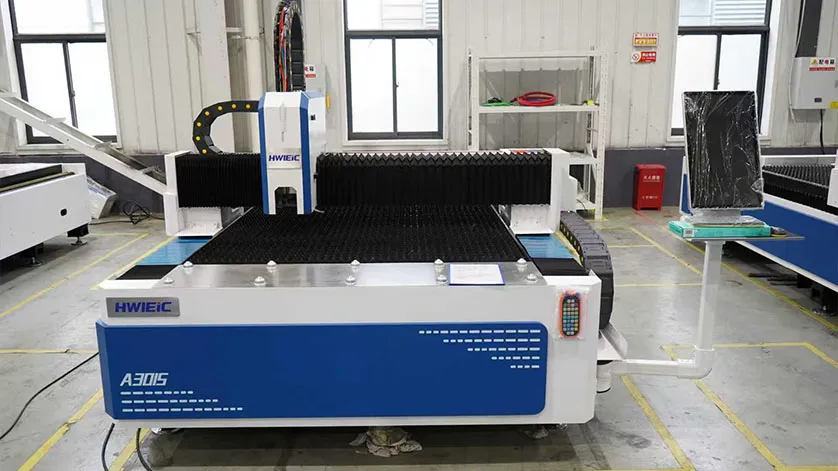
HWlEiC Laser provides laser cutting machines, laser welding machines, laser cleaning machines, and laser marking equipment for industrial buyers. We serve large and medium-sized manufacturing enterprises, government-led industrial projects, automation system integrators, and international customers who need secure and intelligent manufacturing solutions.
Our customers often work in automotive, aerospace, electronics, new energy, heavy machinery, and advanced metal processing. These industries care about production efficiency, high precision, machine stability, and long-term reliability.
We understand that many buyers are not looking for a standalone machine seller. They need a manufacturing partner who can help them choose the right system, plan future production, support customization, and provide practical technical communication.
When a buyer contacts us, we prefer to discuss real production details first:
This approach helps us recommend equipment based on real business needs. It also helps buyers avoid wrong configuration choices.
For global manufacturers, the right fiber laser metal cutting machine can become a long-term productivity asset. It can improve speed, precision, quality control, and production confidence.
A fiber laser metal cutting machine is used to cut metal sheets, plates, and selected metal parts. It is widely used in sheet metal processing, metal fabrication, automotive parts, machinery components, cabinets, panels, and industrial equipment production.
A fiber laser cutting machine describes the laser technology used in the system. A metal laser cutter describes the application. In many industrial cases, both terms refer to a machine that uses fiber laser technology to cut metal materials.
Many buyers search for fiber laser cutting machine china because they want industrial laser equipment from Chinese manufacturers. They often compare price, machine configuration, customization, export support, and supplier reliability.
Yes. Fiber laser cutting machines can cut stainless steel and carbon steel. The result depends on laser power, material thickness, assist gas, cutting speed, and machine configuration.
You should choose laser power based on your common material, common thickness, maximum thickness, required speed, edge quality, and production volume. Higher power is useful, but it should match real production needs.
Yes. A CNC fiber laser metal cutting machine is suitable for automation because it uses digital control. It can work with nesting software, loading systems, unloading systems, and production workflow management when the configuration supports these functions.
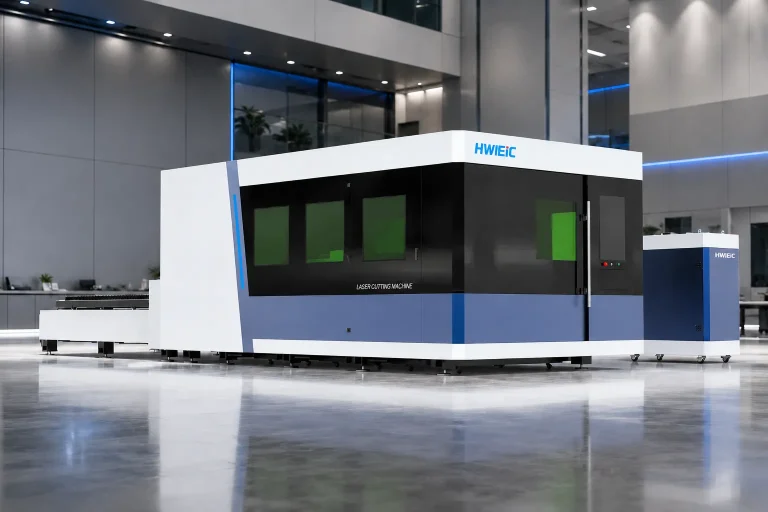
Laser cutting machine price isn’t a single number you can look up — it’s the o…
더 알아보기
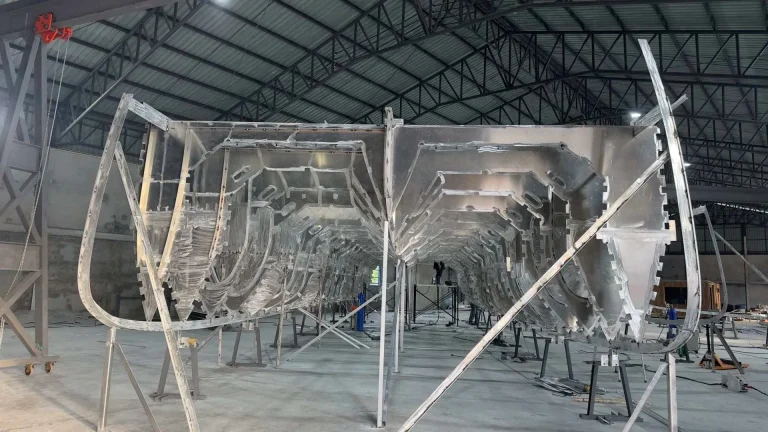
Thailand Customer Upgrades Metal Processing with HWlEiC G8025 6KW Fiber Laser Cutting Mach…
더 알아보기
우리가 응답할 것입니다 당신은 24 시간 이내. 면한 긴급한 경우,추가하십시오 WhatsApp/WeChat:+86 15589913375. 또는 전화+86 15589913375 직접 있습니다.
*우리는 당신의 기밀을 존중하고 모든 정보 보호됩니다.
우리는 오직 귀하의 정보를 사용하여 귀하의 질문에 응답하고 결코 원치 않는 이메일로 보내거나 판촉 메시지입니다.
궁극적인 역동성과 효율성
내구성과 신뢰성
업그레이드 정밀도와 정확도
지능 및 사용 편의성
Safety&건강
다양한 자동화