















July 25,2026
Laser Cutting Machine Price: What Drives Cost
Laser cutting machine price isn’t a single number you can look up — it’s the o…
pelajari lebih lanjut


 15:47
15:47 HWlEiC’s A, F, and E Series cover single-platform and exchange-platform sheet metal cutting. The real choice between them comes down to how sheets move on and off the bed during production, not which one cuts “better.” That distinction determines throughput more than most buyers expect going in.
It’s tempting to shop these machines by model number, assuming a larger number means a bigger or faster machine. That’s not how HWlEiC’s sheet cutting lineup is organized. The three series split along a different axis: platform structure and loading method.
Working area, laser power, and other technical specs aren’t published per model in HWlEiC’s current product documentation. Those figures depend on the specific configuration ordered, which is why sizing conversations happen at the quote stage rather than off a spec sheet. If exact wattage or bed dimensions are the deciding factor for your shop, that’s a question for the sales team, not something to guess at from a model number.
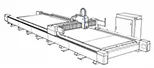
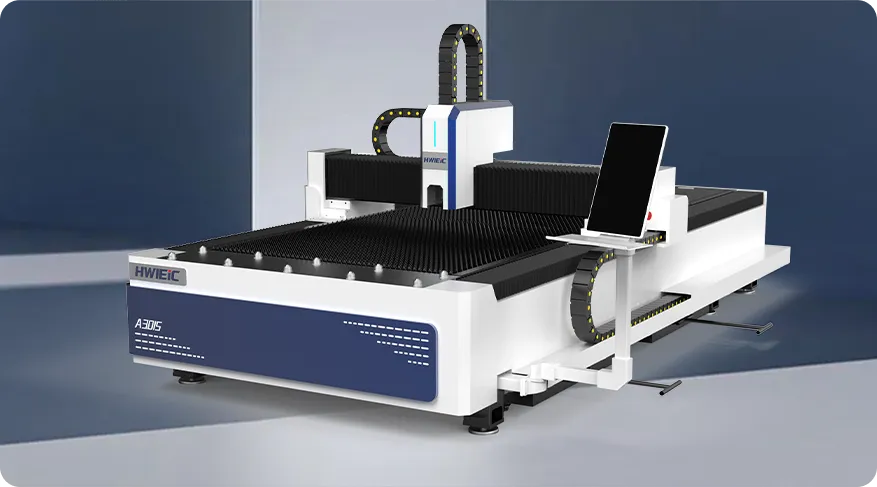
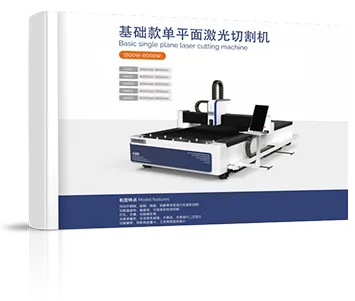
Models: A3015, A4015, A4020, A6025
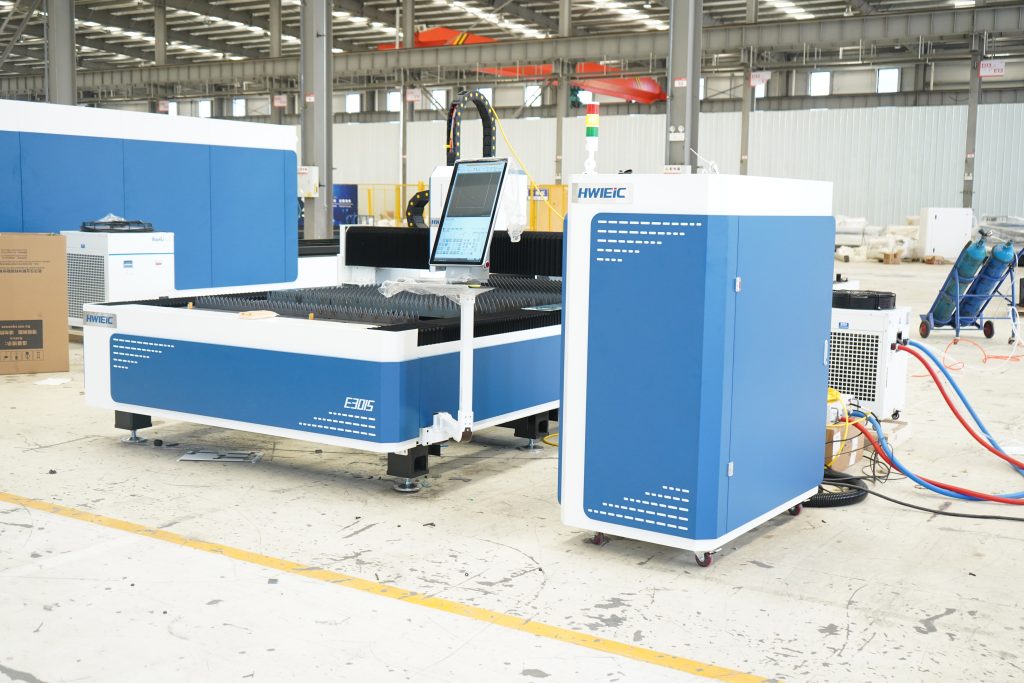
The Seri is described as a single-platform structure aimed at a practical industrial sheet cutting solution. There’s no exchange table — the operator loads material, the machine cuts, the operator unloads, and the cycle repeats. That sequential loading pattern is the defining trait of this series, not a lower-tier positioning.
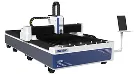
Models: F3015, F4020, F6015, F6025
The Seri F is also single-platform, described as the classic configuration for metal sheet cutting with an emphasis on precision and stable industrial production. Structurally, it shares the same loading pattern as the A Series — material goes on, machine cuts, material comes off.
Here’s where a real gap needs to be named rather than glossed over: HWlEiC’s public materials position the A Series as “basic” and the F Series as “classic,” but they don’t spell out what specifically separates the two beyond that label. If you’re trying to choose between A and F rather than between single-platform and exchange-platform, that comparison isn’t something this article — or the current product pages — can answer with confidence. It needs a direct conversation with HWlEiC’s sales team, who can walk through configuration differences for your specific application.
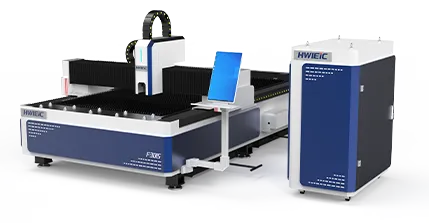
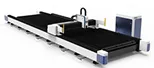
Models: E3015, E4015, E4020, E6015, E6025
The Seri E adds an exchange table structure. While one platform is under the laser head cutting, the second platform can be loaded or unloaded outside the cutting zone. The published benefit is improved loading and unloading efficiency — worth being precise about what that means. An exchange platform speeds up the changeover between parts, not the cutting process itself. A shop running long, complex cut programs on large sheets won’t see much benefit from a second platform if the cutting time already dwarfs the load time. The exchange structure pays off when parts are numerous, cut times are short, and loading/unloading is the actual bottleneck in the shop.
| Comparison Factor | Seri | Seri F | Seri E |
| Platform Structure | Single platform | Single platform | Exchange (dual) platform |
| Positioning | Basic single-plane fiber laser | Classic single-plane fiber laser | Exchange-platform fiber laser |
| Loading Pattern | Sequential: load → cut → unload | Sequential: load → cut → unload | Parallel: load the next batch while the current batch is being cut |
| Models | A3015, A4015, A4020, A6025 | F3015, F4020, F6015, F6025 | E3015, E4015, E4020, E6015, E6025 |
| Best Fit When | Cutting time and loading time are already balanced | Similar to the A Series, with greater emphasis on precision and stability | Loading and unloading time is the bottleneck relative to cutting time |
| Power, Working Area, and Pricing | Configuration-dependent—request a quote | Configuration-dependent—request a quote | Configuration-dependent—request a quote |
Compared with fully manual sheet-handling setups common on older single-platform equipment across the industry, an exchange table removes one source of idle spindle time — but it adds mechanical complexity and floor footprint that a straightforward single-platform machine doesn’t carry.
HWlEiC’s equipment is manufactured under ISO 9001:2015 quality management certification and carries CE compliance for relevant markets, both listed as part of the company’s standard certification set rather than being series-specific claims.
Not in cutting speed — the exchange platform reduces the time material sits idle between cuts, not the cutting speed itself. If your jobs already keep the laser running close to continuously, an exchange platform may add cost without changing output much.
HWlEiC’s public materials list A as “basic” and F as “classic” single-plane machines, but don’t detail the specific configuration differences beyond that. This needs a direct conversation with sales rather than a guess from the product naming.
Not from current public documentation — those details are configuration-dependent and confirmed during the quote process.
HWlEiC hasn’t published confirmed per-model dimensions, so that shouldn’t be assumed from the number alone. Confirm working area directly when requesting a quote.
Laser cutting machine price isn’t a single number you can look up — it’s the o…
pelajari lebih lanjut
Thailand Customer Upgrades Metal Processing with HWlEiC G8025 6KW Fiber Laser Cutting Mach…
pelajari lebih lanjut
Kami akan membalas Anda dalam waktu 24 jam. Jika untuk kasus mendesak, silakan tambahkan WhatsApp / WeChat: +86 15589913375. Atau hubungi +86 15589913375 secara langsung.
*Kami menghormati kerahasiaan Anda dan semua informasi dilindungi.
Kami hanya akan menggunakan informasi Anda untuk menanggapi pertanyaan Anda dan tidak akan pernah mengirim email atau pesan promosi yang tidak diminta.
Dinamika dan efisiensi tertinggi
Daya tahan dan keandalan
Presisi dan akurasi yang ditingkatkan
Cerdas & mudah digunakan
Keamanan & sehat
Otomatisasi serbaguna