















October 22,2026
From Delivery to Production: HWlEiC Laser Machine Installation and Training
Purchasing a fiber laser cutting machine is an important investment, but successful produc…
pelajari lebih lanjut


 10:15
10:15 Slow production, rough edges, and frequent rework can turn a profitable metal project into an expensive problem. As orders grow, an undersized or poorly matched machine makes these issues worse. A properly configured fiber laser cutting machine offers the speed, accuracy, and stability needed to overcome them.
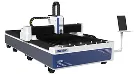
A fiber laser cutting machine uses a focused laser beam and CNC-controlled motion to cut conductive metals quickly and accurately. The right system depends on the material, plate thickness, work area, required throughput, laser power, automation level, and future production plans. High-power, large-format machines are especially suitable for continuous industrial metal processing.
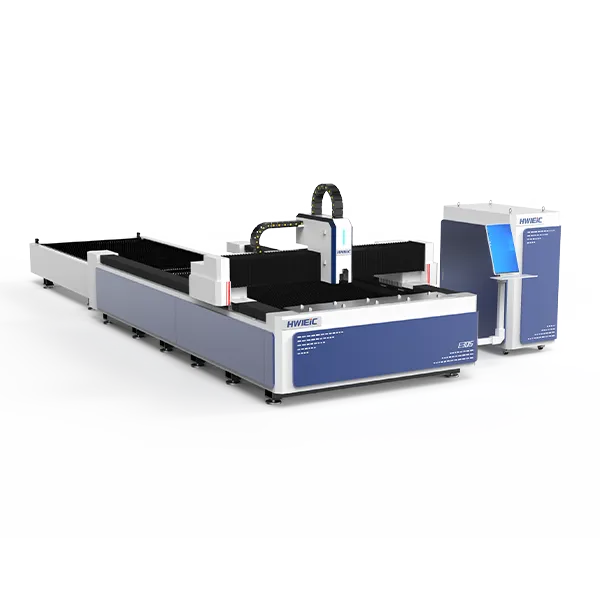
A fiber laser generates laser energy inside an optical fiber and directs it through a cutting head. A focusing lens concentrates the energy into a small spot on the material. The focused beam heats and melts the metal, while nitrogen, oxygen, or another assist gas removes molten material from the cut.
A CNC system controls the cutting path, speed, focus height, gas flow, and other operating settings. This process allows a modern laser cutter to produce complex shapes, narrow slots, holes, contours, and weld-ready edges without direct tool contact.
The main machine components normally include:
Unlike a traditional mechanical cutter, the laser head does not push a blade through the material. This non-contact process reduces tool wear and supports repeatable production across large batches.
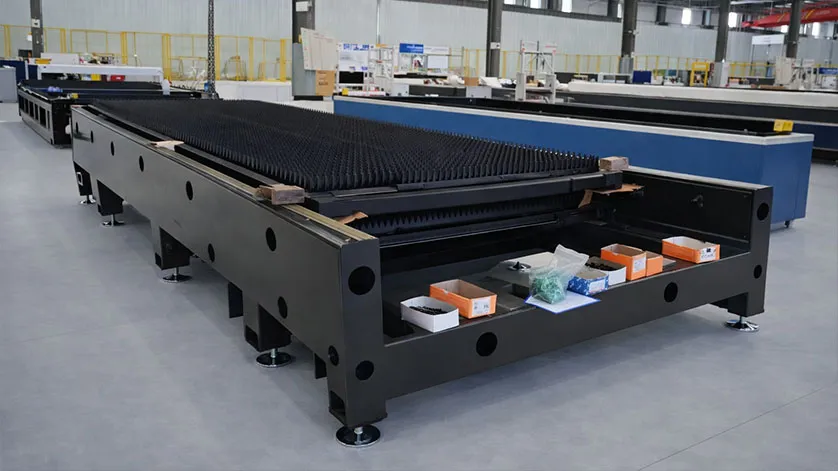
A metal laser cutter combines concentrated energy, controlled motion, and a narrow kerf. It can process stainless steel, carbon steel, mild steel, galvanized sheet, aluminum, copper, brass, titanium, and certain alloy plates. Actual capacity depends on laser power, material properties, gas selection, and the required cut quality.
The focused beam gives manufacturers several practical advantages:
Fast processing of thin and medium-thickness plates
Precise cuts with a relatively small heat-affected area
Minimal kerf compared with many conventional processes
Flexible nesting of different part shapes
Reduced need for molds and cutting tools
Consistent results across repeat production
Easier integration with automated loading and unloading
These benefits make fiber laser technology valuable for automotive components, electrical cabinets, construction machinery, heavy equipment, new-energy products, metal furniture, industrial enclosures, and advanced metal fabrication.
However, no single configuration is ideal for every factory. A 3kW system may be suitable for routine thin-sheet work, while a 20kW or higher-power system can better support demanding thick-plate production. Buyers should select a configuration based on real production data—not laser power alone.
A fiber system is usually the stronger choice for industrial metal cutting because metals absorb its wavelength effectively. It also offers good beam quality, efficient energy delivery, and relatively low maintenance requirements.
A CO2 laser remains useful for many non-metal applications. It is commonly considered for acrylic, plywood, plastics, fabrics, and organic materials. Some CO2 systems can process metals, but they require a different configuration and often do not match the efficiency of industrial fiber systems on reflective, conductive materials.
| Teknologi | Typical strength | Common applications |
| Laser fiber | Efficient industrial metal processing | Steel, aluminum, copper, brass and alloy plates |
| CO2 laser | Broad non-metal capability | Acrylic, wood, fabric and some configured metal applications |
| Diode laser | Compact size and accessible entry cost | Light marking, hobby work and small desktop projects |
| Laser marking system | Fast surface identification | Codes, serial numbers, logos and traceability |
| Laser welding system | Concentrated, controlled joining | Sheet assemblies, frames, cabinets and precision components |
A small diode engraver should not be compared directly with a high-power industrial cutting machine. The two systems serve different production goals. Likewise, a machine designed for laser marking or engraving is not automatically suitable for cutting thick plate.
At HWlEiC Laser, our broader expertise covers laser cutting, welding, cleaning, and marking equipment. This allows us to look beyond a single machine and consider how different laser processes may work together across a production line.

Laser powers are commonly expressed in watts or kilowatts. A 500W, 1000W, 1500W, or 1kW fiber laser may suit lighter applications, depending on the material and production target. A 3kW laser can cover a broader range of everyday sheet-metal tasks, while 20kW and higher configurations target faster or thicker industrial processing.
More power does not automatically guarantee a better investment. High power can improve cutting speeds and thick-plate capability, but it also affects machine cost, chiller requirements, electrical demand, gas use, safety planning, and operating expense.
Before selecting a power level, provide the equipment manufacturer with:
For example, buying a 1kW fiber laser solely because it has a low cost may restrict future production. On the other hand, selecting a 60kW system for thin, low-volume work may create unnecessary capital and operating costs.
The right answer should come from sample testing and process evaluation. Ask the supplier to cut representative parts from your actual materials whenever possible.
Many standard machines use a 4×8 or similarly sized work area. That format can be practical for ordinary sheet sizes, but it may not fit large structural plates. Oversized material then needs to be segmented, repositioned, or processed by another method.
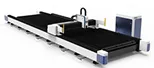
A large-format laser cutting machine helps factories process long or wide plates with fewer interruptions. It can reduce manual repositioning, alignment errors, extra handling, and the need to weld separately cut sections together.
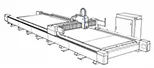
HWlEiC’s G Series is positioned as an ultra-large-format solution. Its product page lists standard examples including:
| Model | Format pemrosesan | Berat keseluruhan |
| G10025 | 10,000 × 2,500 mm | 16,000 kg |
| G12025 | 12,000 × 2,500 mm | 18,000 kg |
| G14035 | 14,000 × 3,500 mm | 25,000 kg |
The same page describes broader configurable bed dimensions, with lengths from 6,000 to 32,000 mm and widths from 3,000 to 5,000 mm. Because standard and customized dimensions differ, buyers should confirm the final usable cutting area in the technical proposal.
Large-format equipment can benefit:
The important question is not simply, “How large is the machine?” It is, “How much of that work area can support stable full-sheet production under our required load?”
High power can expand thick-plate capacity, but power is only one part of the process. Material grade, plate condition, nozzle selection, focus control, cutting parameters, assist-gas pressure, and operator knowledge all influence the final result.
The HWlEiC G Series page lists 6–60kW as its broader laser power range. Its model table separately lists 6, 12, 20, 30, 40, and 50kW options. Because these sections are not identical, a 60kW configuration should be treated as an option that requires confirmation.
| Material | Reported thickness range |
| Baja tahan karat | 6–90 mm |
| Baja karbon | 5–80 mm |
| Aluminum alloy | 5–60 mm |
| Brass | 5–30 mm |
These figures should not be interpreted as the capability of every power configuration. A 6kW machine and a 50kW machine will not deliver the same thick-plate performance. Maximum separation thickness also differs from fast, production-quality cutting.
When comparing machines, ask for both:
That distinction helps prevent unrealistic output estimates.
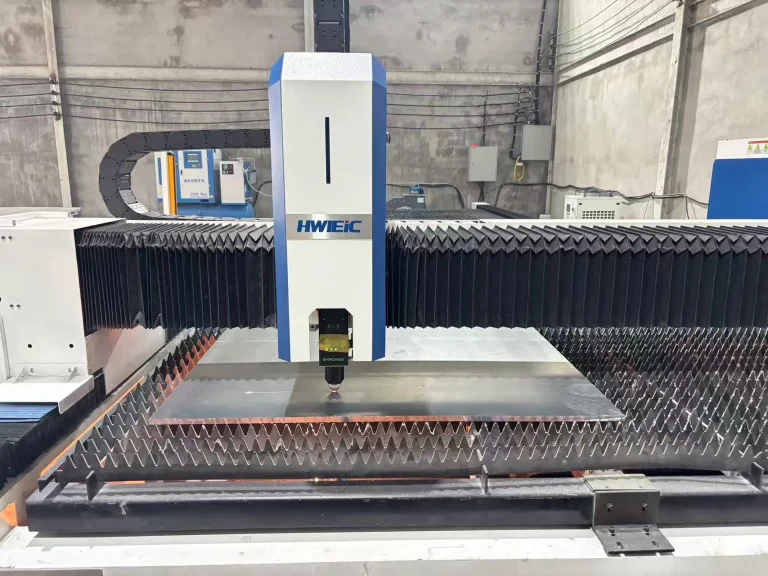
A stable CNC platform translates digital part files into coordinated machine movement. It controls acceleration, position, focus height, corner behavior, and cutting parameters. Poor motion control can cause vibration, uneven edges, inaccurate holes, and lower repeatability even when the laser source is powerful.
The G Series uses precision guides with a rack-and-pinion drive. Its page reports ±0.05 mm positioning accuracy and ±3 arcmin transmission precision. These values describe specific aspects of the motion system; they should not be rewritten as guaranteed finished-part accuracy under every production condition.
Several elements affect practical precision cutting:
The Seri G also uses an aviation aluminum beam. Its lower mass and inertia help support dynamic movement. An auto-focusing cutting head provides a stated focus range of −12 to +10 mm and focusing accuracy of 0.05 mm.
For a buyer, the most useful test is a real part. Measure its hole position, contour accuracy, edge taper, burr, and repeatability across multiple samples.
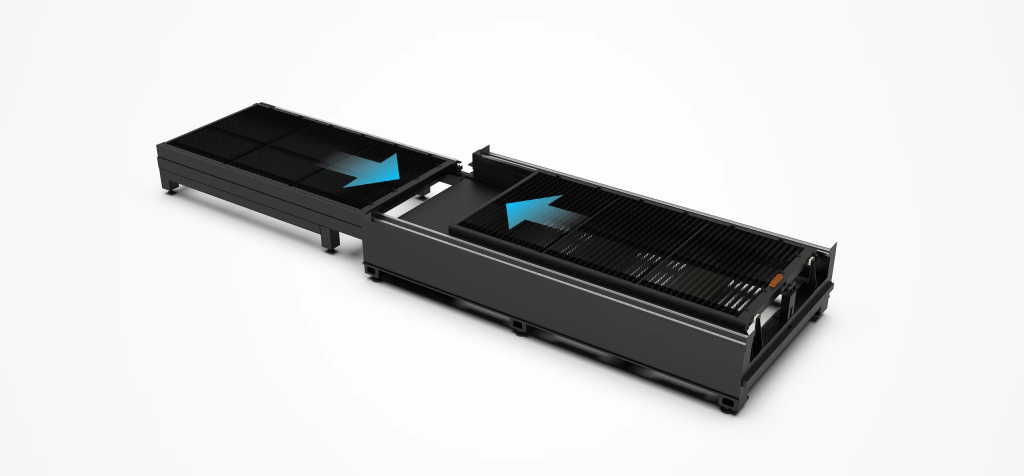
Large machines face strong thermal and mechanical demands. Thick-plate processing introduces heat, while frequent acceleration places stress on the frame. A weak or poorly treated bed may gradually lose alignment, affecting stability and cut consistency.
The G Series product page describes a heavy-duty bed treated through annealing and aging processes. It also refers to seven thermal-treatment stages designed to reduce internal stress and resist deformation under long-term high-temperature operation.
Its structural features include:
Heavy welded construction
Modular options for extended bed lengths
Hollow bed sections
Graphite fire-resistant protection
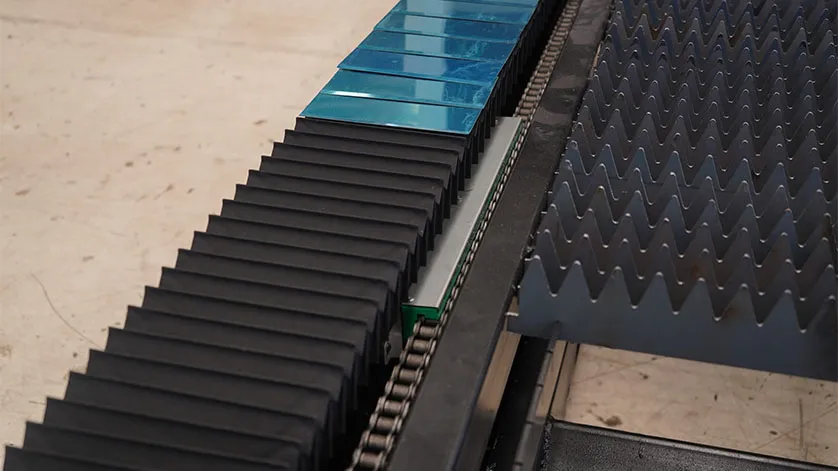
Zone-based dust extraction
Funnel-guided scrap collection
These features support durability, but buyers should also evaluate installation conditions. A high-performance fiber laser metal system needs a suitable foundation, stable electrical supply, correct grounding, proper ventilation, gas infrastructure, and sufficient service access.
Long-term reliability comes from the whole environment—not only the machine frame.
Many thick metal components need prepared edges before welding. Without integrated bevel capability, factories may cut the outline first and then transfer the part to a milling, grinding, or plasma-beveling process.
The G Series offers an optional bevel-cutting configuration for angles up to ±45°. Its page identifies X-, Y-, and V-shaped bevel profiles. This can simplify weld preparation and reduce part transfers between processes.
Potential benefits include:
Fewer secondary operations
Shorter preparation time
Better alignment before welding
Reduced manual grinding
More consistent bevel geometry
Improved production flow
Bevel cutting requires careful control of geometry, focus, gas, speed, and compensation. Buyers should test the required bevel type and plate thickness before approving the final configuration.
This option is especially relevant when the metal cutting laser serves heavy machinery, structural fabrication, pressure-related components, or other weld-intensive production.
Assist gas removes molten material from the cut and influences oxidation, edge color, speed, and cost. Oxygen can support carbon-steel cutting through an exothermic reaction. Nitrogen is often selected when a cleaner, oxide-free edge is important, particularly for stainless and aluminum.
The correct gas strategy depends on:
Material type
Plate thickness
Required edge finish
Welding or coating steps
Available gas pressure
Gas price and supply
Production speed
The G Series mentions a 2 MPa nitrogen setup for stainless processing. This does not mean that one gas pressure fits every material or thickness. Final parameters must follow the tested cutting process.
Yes. A correctly configured fiber system can process both materials. Laser power, material thickness, assist gas, focus position, and required edge quality determine the practical production capacity.
A 3kW machine can support many thin- and medium-sheet tasks, but it may not meet high-volume thick-plate requirements. Base the decision on sample testing, daily output, material mix, and future demand.
An industrial cutter separates metal with high laser energy and controlled assist gas. An engraver or desktop etch system mainly changes the surface. The machine structures, power levels, safety systems, and intended materials differ.
The product page states that customized configurations can support full-sheet processing up to 32,000 × 5,000 mm. Standard listed models are smaller, so the final processing format must be confirmed in the technical proposal.
Purchasing a fiber laser cutting machine is an important investment, but successful produc…
pelajari lebih lanjut

Company Profile Shandong HWlEiC Optoelectronic Technology Co., Ltd. is an affiliated compa…
pelajari lebih lanjut
Kami akan membalas Anda dalam waktu 24 jam. Jika untuk kasus mendesak, silakan tambahkan WhatsApp / WeChat: +86 15589913375. Atau hubungi +86 15589913375 secara langsung.
*Kami menghormati kerahasiaan Anda dan semua informasi dilindungi.
Kami hanya akan menggunakan informasi Anda untuk menanggapi pertanyaan Anda dan tidak akan pernah mengirim email atau pesan promosi yang tidak diminta.
Dinamika dan efisiensi tertinggi
Daya tahan dan keandalan
Presisi dan akurasi yang ditingkatkan
Cerdas & mudah digunakan
Keamanan & sehat
Otomatisasi serbaguna