















July 30,2026
CNC Sheet Metal Laser Cutting Machine: Buyer’s Guide
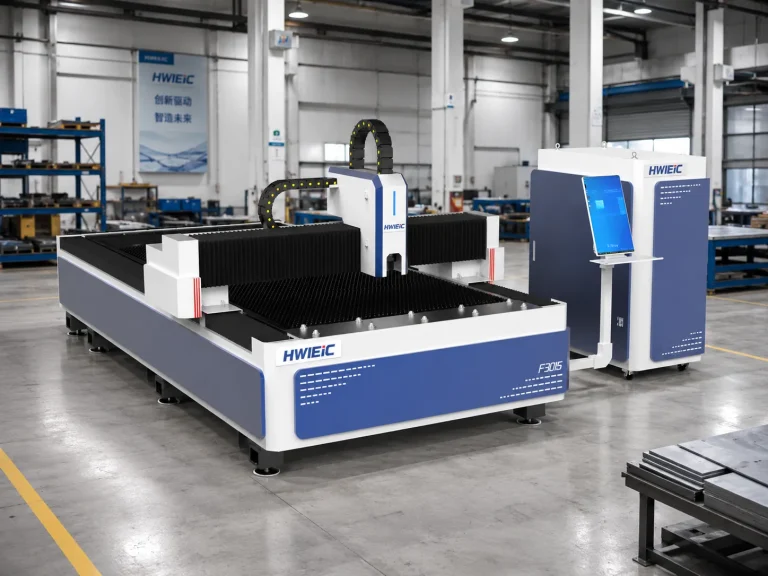
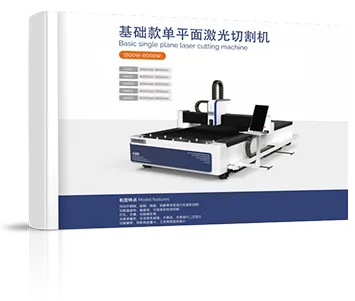
A CNC sheet metal laser cutting machine uses a fiber laser and a numerically controlled mo…
aprender más


 14:31
14:31 Un CNC laser cutting machine uses computer-controlled motion and a focused laser beam — fiber, CO2, or crystal — to cut sheet metal, tube, or mixed materials by program instead of by hand. The right type depends on material, thickness, and how many parts you run per shift.
Every industrial laser cutter sold today is CNC-driven — the term describes the motion control, not the laser source itself. A CNC controller reads a CAD/CAM file, drives the X-Y (and sometimes Z or rotary) axes, and coordinates cutting speed with laser power output so the beam follows the programmed path without an operator steering it manually. This is why “CNC laser cutter” and “laser cutting machine” are used almost interchangeably in industrial contexts, while hobbyist diode lasers without full CNC path control are usually marketed separately as engravers.
What varies between machines isn’t the presence of CNC — it’s the laser source, the bed structure, and how the machine loads and unloads material.
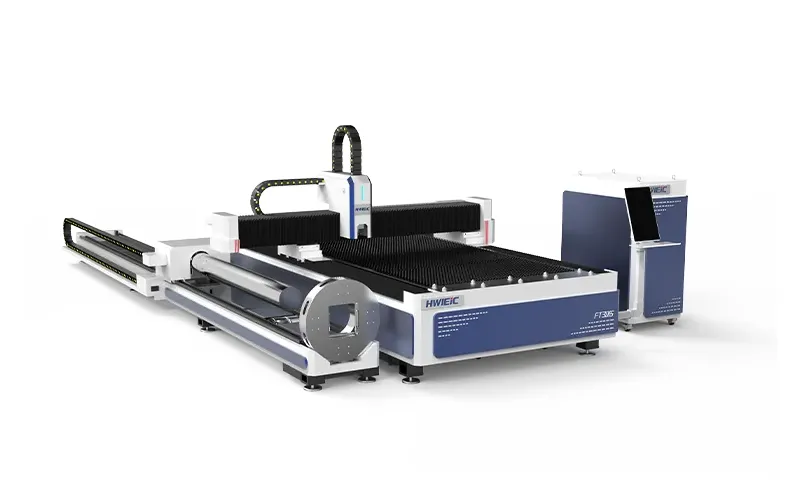
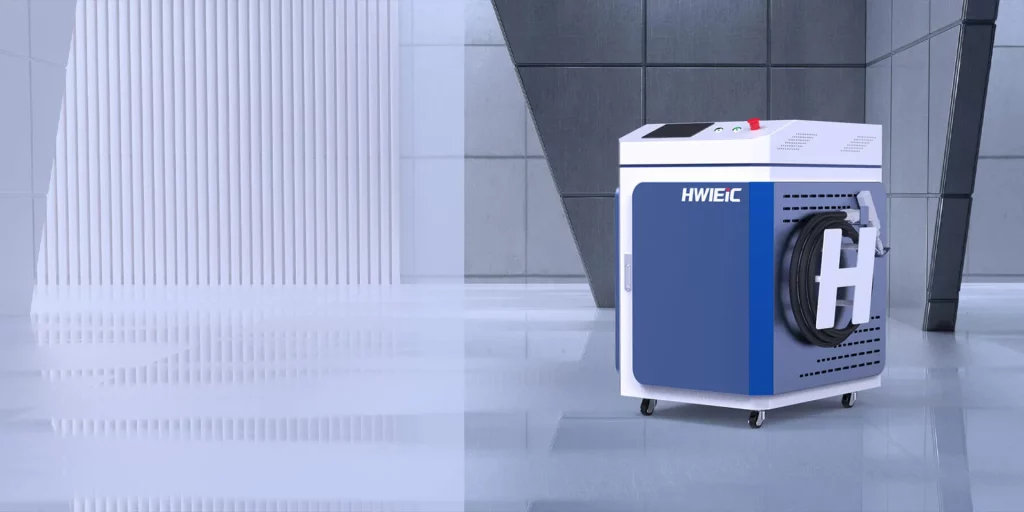
Fiber lasers generate the beam inside a doped fiber optic cable rather than a gas tube or crystal chamber. They cut reflective metals — steel, stainless steel, aluminum, brass, copper — efficiently and are now the dominant choice for metal fabrication shops.
CO2 lasers use a gas-filled tube and a series of mirrors to route the beam. They handle non-metals — acrylic, wood, textiles, some plastics — well, and can also cut metal at lower power, though less efficiently than fiber.
Crystal-based systems (such as Nd:YAG or disk lasers) are less common on modern shop floors but still appear in high-precision or specialty marking and micro-cutting applications where beam quality at very fine spot sizes matters more than throughput.
For most metal fabrication buyers, this three-way split narrows quickly to fiber vs. CO2, since crystal systems serve a narrower, more specialized slice of the market.
This is the decision buyers usually skip past and regret later: picking a bed size and power level based on the biggest job they might someday run, instead of the volume they actually run week to week. A machine that’s oversized for current throughput sits underutilized; one that’s undersized becomes the shop’s bottleneck within a year of steady growth.
| Production Profile | Typical Bed Structure | What to Prioritize |
|---|---|---|
| Low-volume / job shop, mixed part sizes | Single fixed platform | Lower upfront cost and simpler operation |
| Mid-volume, steady batch runs | Exchange platform (dual table) | Reduced loading and unloading downtime between cuts |
| High-volume continuous production | Fully enclosed, high-speed structure | Sustained cutting speed and enclosure safety for unattended operation |
| Large-format structural steel or shipbuilding-scale parts | Large-format bed | A sufficiently large working envelope to avoid part-nesting compromises |
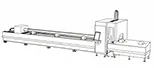
| Tube-heavy fabrication, including structural, furniture-frame, and automotive parts | Dual-chuck tube cutter | Chuck capacity matched to the required tube diameter and length |
| Mixed sheet-and-tube fabrication shops | Combination sheet-and-tube bed | Avoiding the need for a second dedicated tube-cutting machine |
An exchange-platform machine, for example, lets an operator load the next sheet on one table while the machine finishes cutting on the other — the throughput gain comes from eliminated dead time, not from a faster beam.
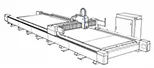
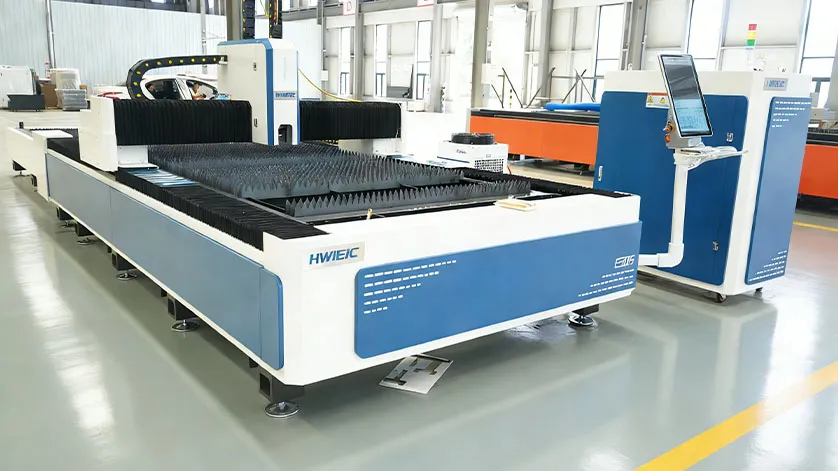
Within the fiber category, machine families are generally organized by bed structure rather than power alone. As one reference point, HWlEiC Laser’s fiber cutting portfolio breaks down this way:
| Series | Positioning | Bed Structure | Example Models |
|---|---|---|---|
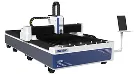
| Serie PH | High-speed sheet cutting | Fixed platform optimized for high-speed cutting | PH3015, PH6020, PH6025 |
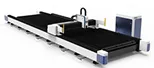
| La Serie P | High-power industrial cutting | Fully enclosed exchange platform | P4020, P6025, P8025, P10025, P12025 |
| Serie G | Large-format cutting | Large working envelope with customizable configurations | G9020, G12030, G15530, and customizable configurations, such as a 6 kW-class G8025 built for a specific customer’s required working envelope |
The distinction between PH y P matters more than it looks on paper: PH prioritizes cutting speed on a fixed bed, while P adds a fully enclosed exchange-table structure aimed at continuous, higher-power industrial runs. G Series exists specifically for jobs where standard bed sizes fall short — shipbuilding-adjacent steel fabrication is a common example of why a customizable G-Series envelope gets specified over a catalog size.
The most frequent misstep in machine selection is treating kilowatt rating as the single spec that matters. Power determines how thick a material the machine can cut and how fast it cuts a given thickness — but it says nothing about how the machine handles loading, nesting efficiency, or unattended run time. A shop running thin-gauge sheet in high volume often gets more real throughput from a lower-power machine with an exchange platform than from a higher-power fixed-bed unit that sits idle between loads. Match power to your thickest regularly-run material, then let bed structure solve the throughput problem.
When comparing manufacturers, ask what quality system governs production, not just what the machine’s spec sheet claims. ISO 9001:2015 is the standard reference point for a documented quality management system in manufacturing, covering how a company controls processes from design through production rather than certifying any single machine’s performance. CE and RoHS compliance are separate markers — CE relates to conformity for the European market, RoHS to restricted-substance compliance. None of these certifications specify cutting speed, kerf width, or power output; they speak to process and compliance, not machine performance, so ask for performance data separately.
Industrial laser cutting machine pricing is not a fixed number per model — it moves with laser power, working area (bed size), machine configuration (fixed vs. exchange vs. enclosed), automation add-ons like auto-loading, and the material range you need to cut. Compared to catalog-style listings that quote a single number per model, an accurate price for CNC laser cutting equipment requires a customized evaluation of your material, thickness, and volume — there isn’t a published price range to quote here, and any figure given without that context should be treated with caution.
Q: Is a fiber laser always better than CO2 for a metal shop?
A: For metal, fiber generally cuts faster with lower operating cost. If the shop also regularly cuts non-metal materials like acrylic or wood, CO2 or a mixed strategy may still make sense.
Q: What’s the difference between “CNC laser cutter” and just “laser cutter”?
A: In industrial contexts they’re functionally the same — CNC describes the computer-controlled motion system almost all modern industrial laser cutters use. The meaningful differences are in laser source type and bed structure, not whether it’s “CNC.”
Q: Do I need an exchange-platform machine if I’m a small job shop?
A: Not necessarily. Exchange platforms pay off when load/unload downtime between parts is a real bottleneck — for low-volume, mixed-job work, a single fixed platform is often the more cost-effective structure.
Q: Can one machine handle both sheet and tube cutting?
A: Yes — combo sheet-tube beds exist specifically for shops that don’t run enough tube volume to justify a dedicated tube cutter, though a dedicated tube machine is still the better fit for tube-heavy production.
A CNC sheet metal laser cutting machine uses a fiber laser and a numerically controlled mo…
aprender más
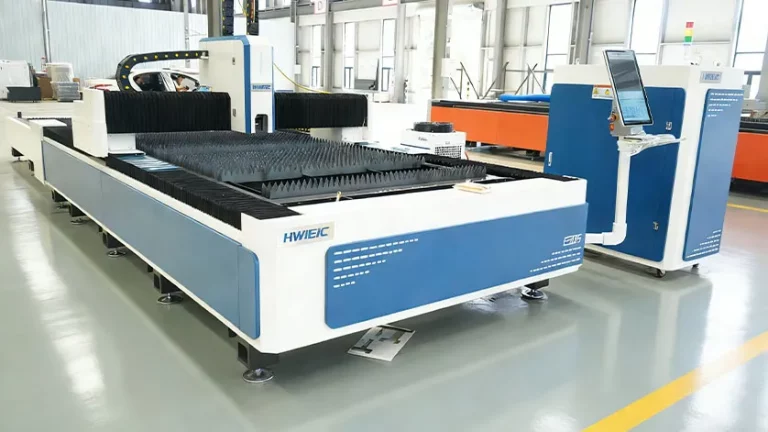
CNC laser cutting machines come in fiber, CO2, and crystal types. Compare how each perform…
aprender más
Le responderemos dentro de 24 horas. Si por caso urgente, por favor agregar WhatsApp/WeChat: +86 15589913375. O llame al +86 15589913375 directamente.
*Hemos de respetar su confidencialidad y toda la información están protegidos.
Sólo utilizaremos su información para responder a su consulta y nunca envía correos electrónicos no solicitados o mensajes promocionales.
Final de la dinámica y la eficiencia
La durabilidad y fiabilidad
Actualizado precisión y exactitud
Inteligente y fácil de utilizar
La seguridad y salud de la
Versátil automatización